As a long-time technician and neighbor in Thousand Oaks, I talk with drivers every week about how their vehicles impact local air quality and what practical steps they can take to reduce emissions. When owners of luxury cars ask about longevity and green driving, few brands come up as often as mercedes-benz. In this article I’ll walk through how emissions systems work on these vehicles, what we pay attention to in the shop, and everyday eco practices that make a measurable difference here in Ventura County.
Understanding emissions systems on modern cars
Modern combustion engines, including those installed in many Mercedes-Benz models, rely on a combination of fuel delivery, ignition timing, exhaust aftertreatment, and onboard diagnostics to control pollutants. Components such as oxygen sensors, catalytic converters, evaporative emissions systems, and particulate filters (on diesel variants) all work together to limit hydrocarbons, carbon monoxide, nitrogen oxides, and particulates. I explain these systems to customers in plain language because an informed owner can often prevent small issues from becoming emissions failures.
How mercedes-benz emissions systems work
The manufacturer integrates sensors and adaptive software into each engine to maintain optimal combustion and exhaust cleanliness. For example, oxygen sensors monitor the air-fuel ratio and inform the engine control unit to make precise adjustments. On many newer models you’ll find multiple stages of catalytic converters and advanced fuel injection systems that reduce idle emissions and improve efficiency. Regular maintenance—timely oil changes, proper spark plug intervals, and clean air filters—keeps these systems functioning as designed and helps avoid the diagnostic trouble codes that can trigger high-emissions readings on inspection.
Local factors that affect vehicle emissions in Thousand Oaks
Living in Thousand Oaks means dealing with coastal influences, seasonal temperature swings, and occasional wildfire smoke—all of which can stress engine and cabin filtration systems. Salt air and fine particulates accelerate component wear if they’re left unchecked. We advise drivers to have emissions-related components inspected more frequently after smoke events or long exposure to dusty roads. Small interventions at home, like parking in the shade and ensuring proper tire pressure, also contribute to lower overall fuel consumption and emissions over time.
Shop practices and diagnostics we use
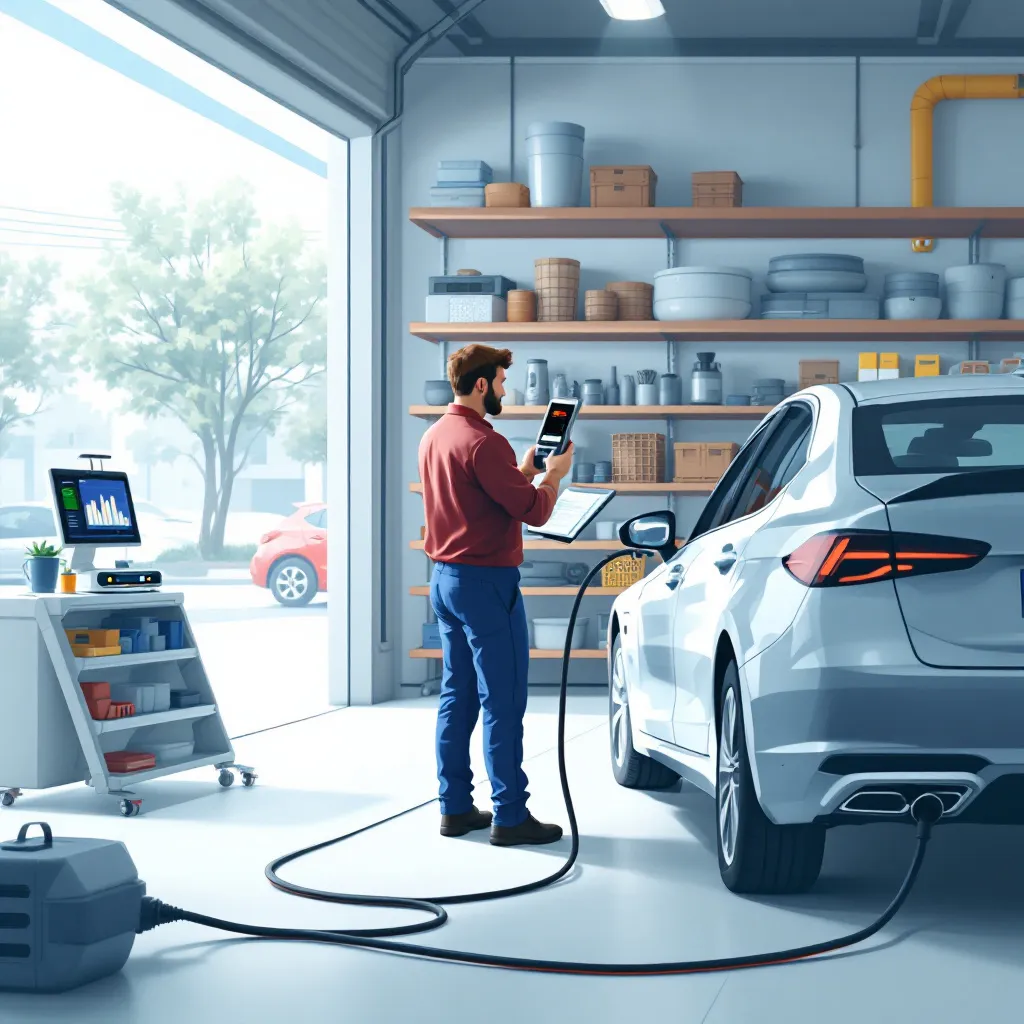
In our garage we combine hands-on inspection with targeted diagnostics to isolate the cause of elevated emissions. A visual check quickly identifies cracked vacuum lines, damaged sensors, or exhaust leaks. We then use scan tools to read live data from the engine control unit and test individual sensors. When a customer brings in a mercedes-benz with a check engine light, we prioritize correcting the root cause—whether it’s a failing catalytic converter, a degraded fuel injector, or a software calibration—rather than masking symptoms. That approach preserves vehicle value and ensures emissions remain within regulatory limits.
Everyday eco practices for drivers
Small changes in driving habits around Thousand Oaks add up. Ease off rapid acceleration, maintain steady speeds on the freeway, and avoid extended idling. Routine maintenance—such as replacing old air filters, using manufacturer-recommended fluids, and keeping tires properly inflated—improves fuel economy and reduces tailpipe emissions. For owners who want to go further, consider hybrid models or newer turbocharged engines that offer improved efficiency without sacrificing performance. When you need professional help, bring your vehicle to a shop experienced with European engineering and ask about both emissions repairs and preventative maintenance.
Mid-article note on parts and sustainability
When components do fail, sourcing quality replacement parts and using proper repair techniques reduces the chance of repeated failures and keeps the car running cleanly for longer. We often guide customers to genuine parts or proven aftermarket components to restore original performance. If you drive a mercedes-benz, ask about recycled or remanufactured parts as an option—these can provide reliable service while reducing waste without compromising emissions performance.
FAQ
Q: How often should I have emissions-related components checked? A: For most vehicles, an annual inspection or a check during scheduled maintenance intervals is sufficient, but if you see a drop in fuel economy or notice warning lights, have it checked right away.
Q: Can I pass a smog check if my check engine light is on? A: Generally no—an illuminated check engine light indicates stored diagnostic trouble codes that must be resolved before a successful smog inspection.
Q: Are diesel and gasoline Mercedes-Benz models treated differently for emissions? A: Yes. Diesel models may include particulate filters and systems to control NOx that require different service procedures than gasoline engines. Both types need manufacturer-aware diagnostics.
Q: Do driving habits in Thousand Oaks really make a difference? A: Absolutely. Local conditions and driving style affect fuel use and emissions, and small changes can reduce pollutant output noticeably over time.
If your Mercedes is due for service, if you’ve noticed a change in performance, or if you simply want to improve fuel economy and emissions, we’re here to help with experienced diagnostics and honest advice. Visit our shop to discuss maintenance strategies tailored to your driving in Thousand Oaks, or bring your vehicle in and we’ll walk you through the options. You can always learn more about model-specific guidance for mercedes-benz owners and schedule a consultation with our technicians.
As a final note: keeping a vehicle running cleanly is as much about responsible ownership as it is about technical fixes. If you’re ready to make a plan for longer-lasting, lower-emission driving, stop by and talk with us about practical upgrades, scheduled service, and driving habits that help both your car and our community breathe easier. For model-specific advice and to arrange service for your mercedes-benz, contact us today at the shop.
Auto Precision Repair
3121 E Thousand Oaks Blvd #4, Thousand Oaks, CA 91362, United States
Phone: +1 (805) 379-9900