
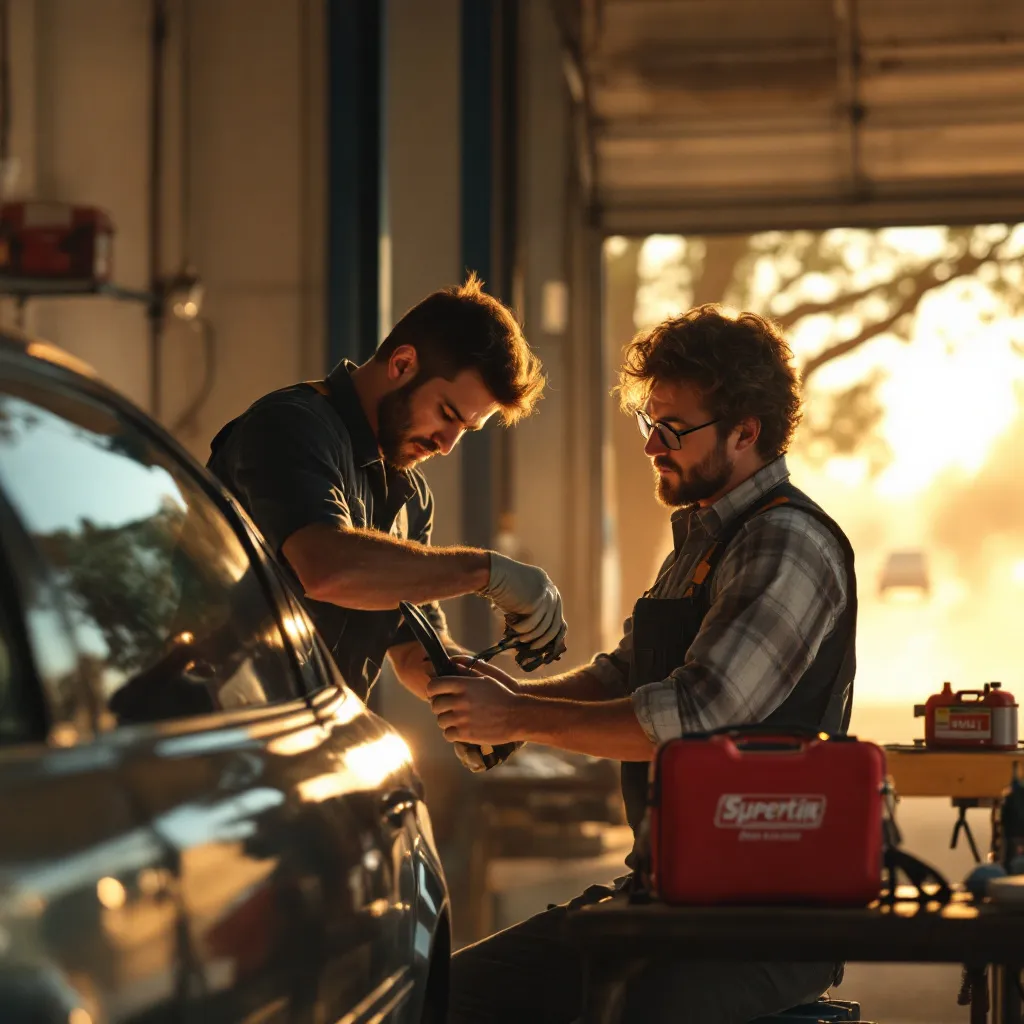
Living and driving in Thousand Oaks means our cars see a mix of warm, dry summers and cooler, rainy stretches in winter, and as a local I’ve learned that small seasonal habits keep vehicles reliable. If you’re looking for straightforward, neighborhood-tested guidance, a trusted car mechanic can make the difference between a stress-free drive and an avoidable breakdown. In this article I’ll walk through practical checks, preventative steps, and what to expect from seasonal maintenance so you can enjoy safer and smoother miles around town.
Why season-specific care matters in Thousand Oaks
The climate here is mild but varied: hot, dusty summers can accelerate tire and fluid wear, while winter rains test wiper systems, brakes, and electrical connections. Salt isn’t the main concern like coastal areas, but pollen and road debris can clog air systems and filters. I focus on the simplest, most effective inspections first — fluids, tires, lights, and the battery — because these items respond quickly to routine attention and prevent expensive issues later. Regular tuning and filter changes keep engines breathing clean air and running efficiently in our local conditions.
Key checks before each season
As the seasons change, take time to visually inspect common trouble spots. Tires should have even tread depth and proper pressure; underinflated tires wear faster and increase fuel use, while overinflation reduces traction. Brakes need to feel consistent without squeals or pulsing, and brake fluid should be topped up and free of contamination. Cooling systems should be flushed and filled to protect against summer heat, and heater systems tested before the cool months to ensure defrosting works properly. Don’t forget to change cabin and engine filters — they preserve air quality and performance.
When to call a car mechanic
There are moments when DIY stops and professional care begins. Strange noises, smoke, dashboard warning lights that won’t reset, or persistent electrical quirks deserve immediate attention. If you notice abrupt changes in fuel economy, persistent overheating, or fluid leaks, bring the vehicle in. A local shop with experience in Thousand Oaks road conditions can diagnose issues faster because they’re familiar with the common wear patterns our roads cause. Bringing a car in early can prevent a minor issue from turning into major repairs.
Maintaining comfort and safety systems
Comfort features like HVAC, wipers, and lighting also require seasonal attention. Replace wiper blades before the rainy season, and keep washer fluid topped with a formula suitable for our moderate temperatures. Inspect headlight alignment and lens clarity to ensure night visibility on winding local roads. HVAC checks help maintain comfort and interior air quality; an HVAC system that struggles in summer often signals low refrigerant or a clogged condenser, problems best handled by a professional rather than a quick, temporary fix.
Why quality parts and local expertise matter
Using the right parts and a technician who understands Thousand Oaks conditions saves time and frustration. I recommend OEM-equivalent parts for systems where longevity and compatibility matter most, such as brakes and suspension components. For routine wear items like filters and wiper blades, dependable aftermarket options work well. Building a relationship with a local shop means they’ll understand your vehicle’s history and how local driving patterns — short trips, stop-and-go commutes, or scenic canyon drives — affect maintenance needs.
When you’re selecting service, ask about inspection reports, recommended follow-ups, and whether the shop uses updated diagnostic equipment. A thorough inspection will highlight potential issues that could become seasonal problems and allow you to prioritize necessary work without surprises.
Practical tips for busy drivers
For many of my neighbors, time is the biggest constraint. Schedule seasonal checkups before known weather shifts: late spring for AC readiness and late fall for brakes and wipers. Keep a simple emergency kit with a flashlight, jumper cables, and basic tools, and record service dates for oil changes, filter replacements, and tire rotations so you can track intervals easily. Small habits, like checking tire pressure monthly or running a quick light and horn check, pay off over time in reduced roadside incidents.
FAQs
Q: How often should I get seasonal maintenance? A: Aim for a quick seasonal check four times a year, and a full inspection with oil and filter service at least twice a year depending on mileage.
Q: Can I perform all seasonal checks myself? A: You can handle basic inspections like fluid levels and tire pressure, but professional diagnostics are important for electrical issues, engine concerns, and complex brake or suspension work.
Q: What should I tell my mechanic about local driving habits? A: Share how often you drive, typical trip length, and whether you regularly encounter steep grades or stop-and-go traffic — this helps prioritize wear items and tune the service plan to your needs.
Q: Are there parts I should replace proactively? A: Wipers, filters, and tires are common proactive replacements. Your technician can recommend intervals based on condition rather than strict mileage alone.
When you want a reliable partner for seasonal checkups and honest advice from someone who knows Thousand Oaks streets well, reach out to a local car mechanic who can provide tailored recommendations, transparent inspections, and a clear plan for keeping your vehicle ready for whatever the season brings.
If you’d like help preparing your car for the next season, bring it in for a full inspection and we’ll prioritize what matters most for your safety and convenience. A friendly, experienced car mechanic in our community can make maintenance straightforward — schedule a visit and drive with confidence.
Auto Precision Repair
3121 E Thousand Oaks Blvd #4, Thousand Oaks, CA 91362, United States
Phone: +1 (805) 379-9900