As a local technician who has worked in Thousand Oaks for years, I know exactly what people mean when they search for Mechanic Near Me. The phrase is shorthand for reliability, quick diagnostics, and a shop that understands our roads and climate. In this article I’ll walk you through the common vehicle problems drivers in Thousand Oaks face, how to recognize early warning signs, and practical steps you can take before bringing your car to the shop. My goal is to give you confidence in spotting issues early so repairs are faster and less stressful.
Mechanic Near Me: Common Vehicle Issues in Thousand Oaks
One of the first things drivers notice is engine hesitation or rough idling, especially after long drives on the 101. Heat and stop-and-go traffic put stress on ignition systems and fuel delivery, which makes spark plugs, coils, and fuel filters frequent culprits. When your engine stumbles, pay attention to whether the problem appears at cold start, under load, or all the time. That pattern helps a technician zero in on the root cause more quickly and can avoid unnecessary parts swaps.
Brake and Suspension Concerns
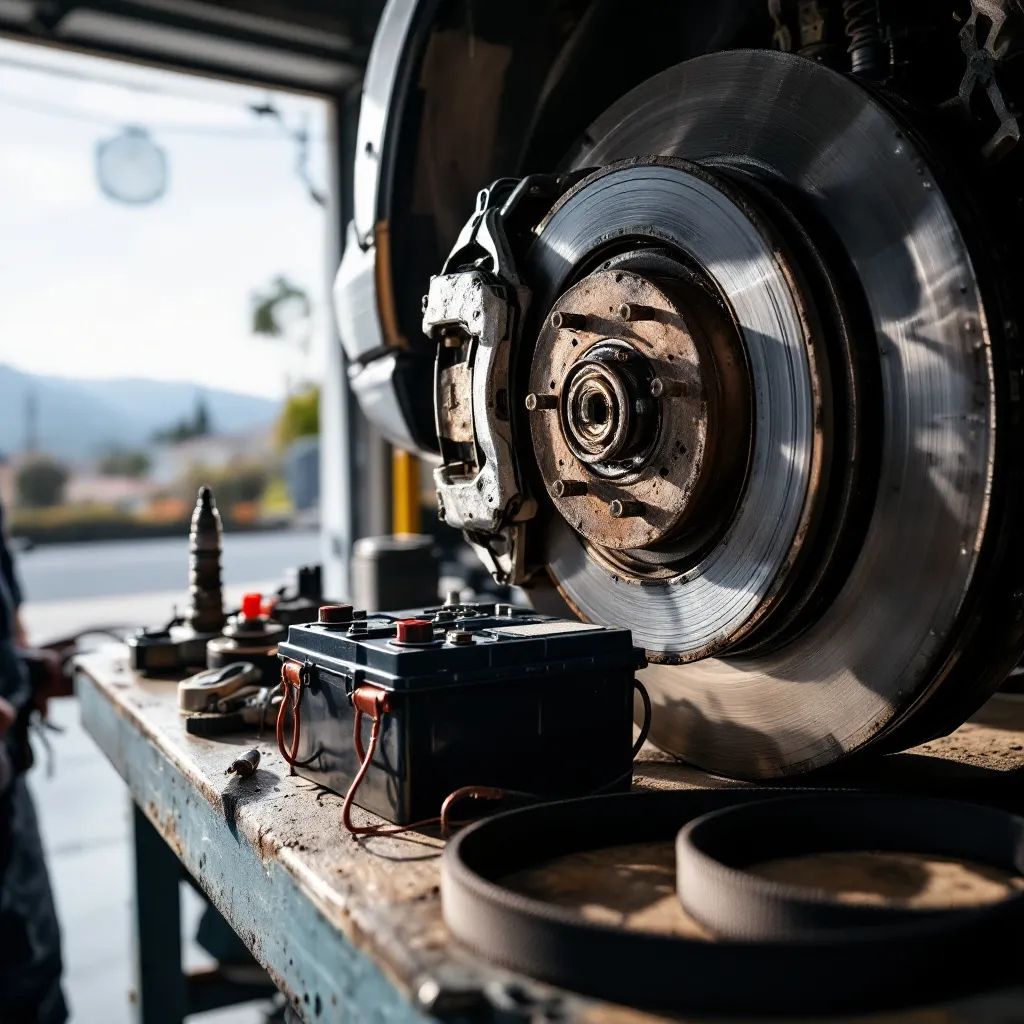
Braking systems get heavy use here, and worn pads or warped rotors are common symptoms of daily commuting. You might hear a squeal when you apply the brakes or feel a vibration through the pedal. Suspension components—struts, shocks, and bushings—also wear over time and can make rides feel loose or unsettled. If your car pulls slightly to one side or you notice uneven tire wear, it’s wise to have alignment and suspension components checked before they cause further damage.
Electrical Systems and Battery Health
Electrical gremlins are more frequent than many drivers expect: dimming lights, intermittent accessory failure, and slow starter spins can point to a weak battery, corroded terminals, or alternator issues. Our coastal-influenced climate can accelerate corrosion on connectors, so keeping terminals clean and checking charging system output during routine maintenance is a simple way to reduce roadside surprises.
Cooling System and Overheating
Overheating is a serious issue, particularly in summer months when heavy traffic and hill climbs are common. Radiator leaks, failing thermostats, and weak water pumps will all show themselves with higher-than-normal temperature readings or visible coolant loss. Catching cooling issues early prevents costly head gasket failures and keeps your engine running efficiently.
Tires, Alignment, and Road Impact
Thousand Oaks roads are mostly well maintained, but potholes and construction zones can lead to bent wheels and alignment issues. Uneven tire wear, vibration at highway speeds, and a steering wheel that’s off-center are signs you should schedule a tire and alignment inspection. Proper inflation and rotation will extend tire life and improve handling, so it pays to check your tires regularly.
Preventive Maintenance That Pays Off
Simple routine maintenance—oil changes, filter replacements, brake inspections, and fluid checks—keeps small problems from becoming big ones. Staying on top of scheduled service recommended by your vehicle manufacturer saves time and money in the long run. When you find a trusted local shop, letting them know your driving habits and any recurring issues helps them tailor maintenance and catch patterns that might otherwise be missed. If you’re searching online for someone nearby, try typing Mechanic Near Me to find shops familiar with the local conditions.
How We Diagnose Problems Efficiently
In our shop, we start with a detailed road test and a targeted inspection, then use diagnostics to read fault codes and monitor live data. That approach narrows down causes without guesswork. Transparency matters: I always explain what the tests show and why a particular repair is recommended. Clients appreciate when we describe alternatives and the consequences of deferring work, because clear communication builds trust and helps drivers make informed decisions.
FAQ
Q: How do I know when a warning light requires immediate attention?
A: If the check engine light is flashing, treat it as urgent and stop driving if it’s safe to do so; this often indicates a severe misfire that can damage the catalytic converter. A steady check engine light usually means a fault that should be diagnosed within a few days. For oil pressure or temperature warnings, pull over promptly to avoid engine damage.
Q: Can I drive with a small coolant leak?
A: Driving with a coolant leak risks overheating and major engine harm. If the loss is slow and you’re able to top off coolant, you might reach a repair shop, but avoid extended drives and monitor temperature closely. It’s best to have a leak diagnosed and repaired quickly.
Q: What maintenance can extend the life of my brakes?
A: Regular inspections, timely pad replacements, and keeping brake fluid fresh will prolong component life. Also, avoiding heavy braking when possible and using engine braking on downhill stretches reduce wear. A technician can measure rotor and pad thickness and recommend the right interval for your driving conditions.
Q: How often should I rotate my tires?
A: Tire rotation intervals vary by vehicle and driving style, but a typical recommendation is every 5,000 to 7,500 miles. Regular rotation promotes even wear, improves handling, and prolongs tire life. During a routine service stop, it’s an easy procedure that pays dividends.
If you’re ready to stop guessing and get dependable work from someone who knows Thousand Oaks roads and weather, search for a reliable Mechanic Near Me and bring your concerns to a local shop that will explain the problem and the solution clearly. Whether it’s a simple tune-up or a more complex repair, the right approach is honest diagnostics, clear communication, and workmanship you can trust.
Auto Precision Repair
3121 E Thousand Oaks Blvd #4, Thousand Oaks, CA 91362, United States
Phone: +1 (805) 379-9900