
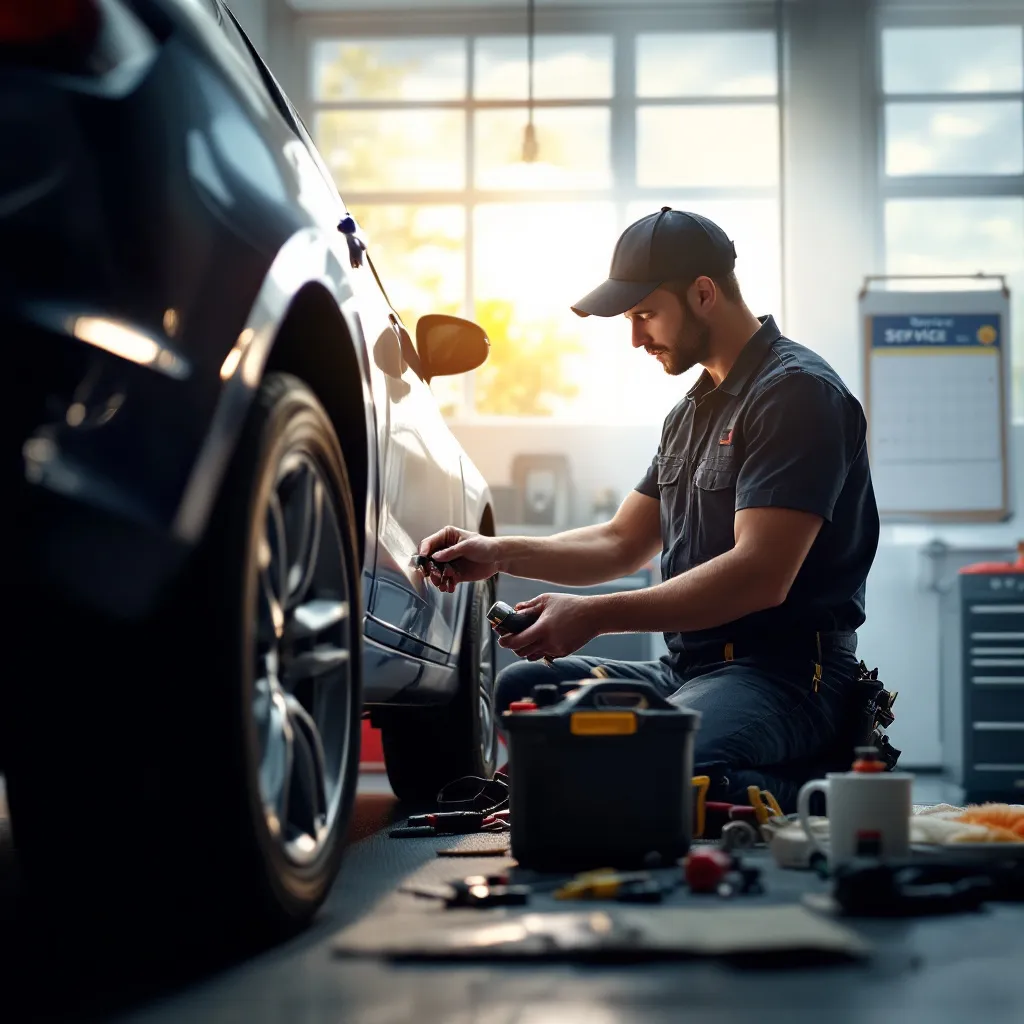
If you’ve typed Mechanic Near Me into your phone because the seasons here in Thousand Oaks push your car a little harder, you’re doing the right thing. I’m a local technician who’s spent years servicing vehicles across Ventura County, and seasonal maintenance is the single best way to keep a car reliable, safe, and comfortable all year. In this article I’ll walk you through the practical checks and simple preventative steps that make a big difference for drivers in our climate, and explain how a trusted local approach protects both performance and resale value.
Finding a Mechanic Near Me in Thousand Oaks
Quality seasonal maintenance starts with a shop that knows local roads, weather patterns, and the quirks of vehicles exposed to coastal breezes and inland heat. A good mechanic will not only inspect the obvious systems—like brakes and tires—but will also diagnose less visible issues such as suspension wear from canyon roads or electrical gremlins triggered by afternoon humidity. When you look for a partner for regular checkups, consider shops that offer thorough multi-point inspections and can explain the condition of your car in plain language. That transparency helps you prioritize repairs so your vehicle is safe and dependable without surprises.
Why Seasonal Maintenance Matters
Seasonal maintenance is more than swapping wiper blades at the start of rainy months. It’s a proactive rhythm of care timed to the way you actually drive here. Spring and summer in Thousand Oaks can mean dusty air and hotter engine bays, so air filters, cooling systems, and tire pressures deserve attention. Fall and winter bring wet roads and cooler temperatures, which make brakes, battery health, and heating systems critical. Addressing these items before they become emergencies reduces the likelihood of roadside breakdowns and extends the life of major components.
Essential Checks I Recommend
In a typical seasonal visit I examine fluids, belts, hoses, and tires, and test the battery and charging system. Brake inspections are non-negotiable: rotors, pads, and brake fluid condition can tell you a lot about how long components will last. I also pay attention to alignment and suspension, because uneven wear from potholes or curbs will shorten tire life and affect handling. During hot months I focus on cooling performance and A/C output; in colder spells I confirm heater operation and defogging effectiveness. Clear communication about what I find allows owners to make informed decisions about timing repairs.
Maintenance That Saves You Time and Headache
Routine maintenance saves time in the long run by keeping small issues from turning into shop visits that could have been avoided. For example, a simple coolant flush and inspection can prevent an overheated engine on a hot afternoon commute. Replacing a worn serpentine belt on the bench is quicker and less stressful than dealing with a snapped belt on the freeway. I try to help drivers think of maintenance as seasonal tuning—an opportunity to optimize fuel economy, comfort, and safety rather than an interruption to their schedule.
When friends ask where to start, I tell them to search carefully and ask direct questions about inspection scope and warranties. If you enter the phrase Mechanic Near Me in a local search, pay attention to shops that offer clear service descriptions, customer-focused communication, and technicians who explain findings with photos or demos. That approach gives you confidence that recommended work is necessary and performed correctly.
Preparing Your Car for Seasonal Driving
Preparing a vehicle for seasonal shifts means more than a checklist; it’s about habits. Keep an eye on tire tread depth and pressures, listen for unusual noises during turns or braking, and note changes in cabin comfort or dashboard warnings. Bringing the car in at the first sign of trouble lets a local technician diagnose issues before they become costly. I often see drivers who delayed a fluid change or brake service and later face accelerated wear on other components. Timely maintenance reduces that domino effect.
FAQ
How often should I schedule seasonal maintenance?
As a general rule, plan at least two visits a year: one focused on preparations for warm, dry months and another before the cooler, wetter season. If you drive frequently on rough roads or tow regularly, consider quarterly check-ins. Your vehicle’s owner manual and a trusted technician’s recommendations tailored to local conditions will give the best timeline.
What should I insist on during a seasonal check?
Insist on a multi-point inspection that includes brakes, tires, fluid levels and conditions, battery and charging system tests, belt and hose checks, and a quick road test. Ask for clear documentation or photos of any concerns so you can see what the technician sees and understand the urgency of repairs.
Can seasonal maintenance improve fuel economy?
Yes. Replacing clogged air filters, correcting underinflated tires, and keeping the engine properly tuned all contribute to better fuel efficiency. Small improvements add up over months and can make a noticeable difference in fuel consumption and overall driving feel.
When you want a local, experienced team to handle your seasonal maintenance, search for a shop that practices clear communication, stands behind its work, and treats your vehicle with the same care I would give my own. Reach out to schedule an inspection or to ask specific questions about your car’s seasonal needs—this is the time to get ahead of issues and enjoy smoother, safer miles. Mechanic Near Me is a phrase that connects you to local expertise; use it to find a trusted partner and book your next visit today.
Auto Precision Repair
3121 E Thousand Oaks Blvd #4, Thousand Oaks, CA 91362, United States
Phone: +1 (805) 379-9900