As someone who has worked on cars in Thousand Oaks for years, I see the same patterns over and over when it comes to engine health. If you’re noticing rough idling, a sudden loss of power, or warning lights on the dash, you’re probably already worrying about engine repair. I’ll walk you through the common issues we diagnose here, how we approach fixes, and how to spot problems early. If you want local, experienced help, our team focuses on honest diagnostics and long-term solutions, and we’re always happy to discuss options for your vehicle. For trusted information, remember that proper engine repair starts with a careful assessment.
Typical engine symptoms and what they mean
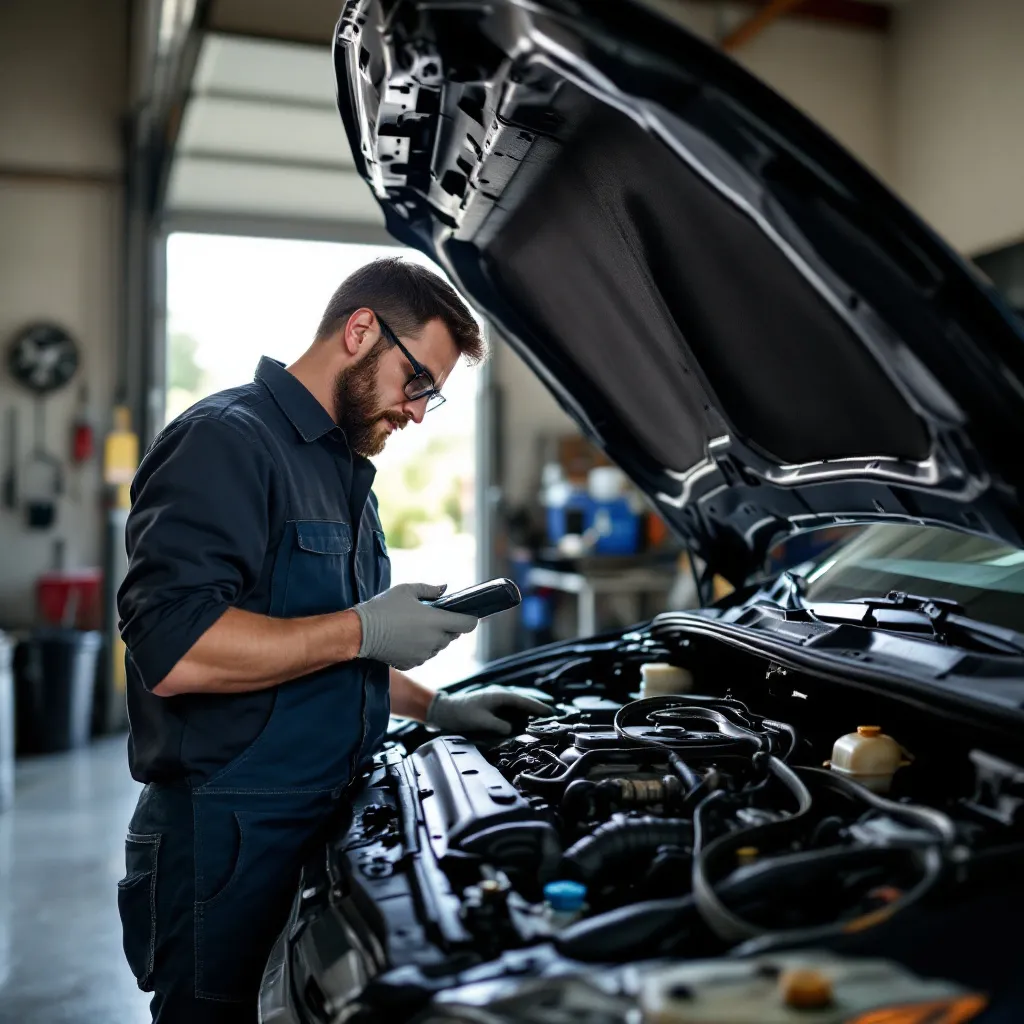
Engines give off signals long before they fail completely. A misfire or a persistent check engine light can indicate anything from a simple sensor malfunction to more serious internal wear. In Thousand Oaks, heat and stop-and-go coastal traffic can exacerbate issues like overheating or oil breakdown. When a customer brings a car in, I start with a full visual inspection and computer diagnostics to read stored codes, then follow up with hands-on testing. That process helps separate transient sensor errors from underlying mechanical faults.
Common mechanical problems we see locally
Gaskets and seals take a beating in Southern California conditions. Valve cover gaskets, head gaskets, and oil pan seals can leak after years of thermal cycling, and small leaks often lead to larger problems if ignored. Timing components—timing belts and chains—also wear on a schedule, and a neglected belt can lead to catastrophic engine damage. Another frequent issue involves the cooling system: radiator hoses, water pumps, and thermostats fail gradually and then quickly, especially when clutching traffic turns up the heat on an older cooling system.
Fuel, air, and ignition: systems that interact
Modern engines rely on a delicate balance of fuel delivery, airflow, and spark. Clogged fuel injectors, a failing fuel pump, or a dirty air intake can all cause poor performance and reduced fuel economy. On the ignition side, worn spark plugs or failing ignition coils produce misfires and rough running. When these systems are addressed together, improvements are often dramatic. In many repairs I perform, a combination of cleaning, replacement of wear items, and software resets restores smooth operation without the need for major engine work.
Emissions and sensors: small parts, big consequences
Sensors like oxygen sensors, mass airflow sensors, and camshaft position sensors are small, but when they fail they can push the engine into limp mode or cause persistent error codes. Emissions systems such as EGR valves and catalytic converters can also affect engine performance when they clog or degrade. I always verify sensor readings under load and idle to make sure we’re correcting the symptom, not just clearing codes. For many drivers in Thousand Oaks, addressing these smaller components prevents more costly repairs down the road.
Preventive care to avoid major engine repair
Regular maintenance is the single best defense against major engine problems. Routine oil and filter changes, timely replacement of belts and hoses, and scheduled inspections catch wear early. I advise drivers to follow the manufacturer’s service intervals and to treat any unusual noises or changes in behavior as early warnings. Seasonal checks before hot summer months and after long winter storage help maintain reliability. Preventive maintenance is particularly important for vehicles that do a lot of short trips, since engines that don’t reach optimal operating temperatures can develop deposits and moisture-related issues.
When a rebuild or replacement becomes necessary
Not every problem can be fixed with parts and labor alone—occasionally, engines suffer from internal wear like scored cylinders, damaged bearings, or significant piston ring wear. In those cases we discuss options including rebuilding the engine, replacing it with a low-mileage core, or considering a long-term replacement vehicle. I always present the diagnostic findings clearly, explain the potential outcomes, and recommend the most value-driven, reliable solution for each situation. Our goal is to restore performance and safety with transparent communication.
Midway through any discussion about long-term maintenance, clients often ask about reputable resources and service approaches for specific jobs. For straightforward issues like sensor replacement or coolant system repairs, the most effective path is a trusted tech who documents the work and provides clear warranty terms. That’s why many drivers in Thousand Oaks rely on specialist shops that know local driving patterns and the particular wear those patterns create, and why professional engine repair advice matters when making repair decisions.
Diagnostics: the key step before any major work
Running a proper diagnostic means more than plugging in a scanner. I perform road tests, cold-start observations, smoke tests for intake leaks, compression and leak-down tests when mechanical failure is suspected, and visual inspections for oil contamination or coolant mixing. This approach narrows down causes and avoids unnecessary part replacements. Good diagnostics save time, money, and future headaches by ensuring repairs target root causes rather than symptoms.
FAQ: engine repair questions from local drivers
How do I know if I need immediate engine repair?
If you notice sudden loss of power, white or blue smoke from the exhaust, knocking sounds, or a hard-to-clear check engine light, schedule service promptly. Those signs can indicate serious issues like internal damage or critical fluid loss that worsen quickly if ignored.
Can routine maintenance prevent engine rebuilds?
Yes. Consistent oil changes with the correct grade, timely replacement of timing components, and regular cooling system service reduce the likelihood of catastrophic failures. Early detection of leaks and odd noises is also crucial to preventing heavy repair bills.
Is it worth repairing an older engine?
It depends on vehicle condition, repair scope, and long-term plans. I evaluate wear, remaining life of other major components, and safety considerations before recommending rebuild or replacement. Sometimes a targeted repair restores reliability for many more miles at reasonable cost.
When you’re ready to address engine concerns, I encourage drivers to seek a clear diagnosis and a plan that emphasizes reliability and long-term value. For hands-on assistance from a locally experienced shop that stands by its work, contact us for personalized support and transparent service recommendations. Trust the professionals who know how Thousand Oaks driving conditions affect engines and who prioritize careful, documented engine repair to keep you on the road.
Auto Precision Repair
3121 E Thousand Oaks Blvd #4, Thousand Oaks, CA 91362, United States
Phone: +1 (805) 379-9900