As a local technician who has worked on vehicles across Thousand Oaks for over a decade, I know how critical a healthy drivetrain is to your daily life. If you detect slipping gears, delayed engagement, or unusual noises, it’s time to think about transmission repair. In this article I’ll share practical maintenance tips, explain common issues we see in this climate, and help you identify when professional attention is necessary.
Why transmission health matters in Thousand Oaks
Living in Thousand Oaks means a mix of freeway commuting, canyon drives, and stop-and-go local trips. Those varied conditions can put unique stress on transmissions, from overheating on long uphill runs to fluid breakdown during frequent short trips. Regular attention to your transmission’s condition not only preserves shifting smoothness but also protects the engine and fuel efficiency. I’ve seen owners delay service because nothing seemed “wrong” yet; by the time issues become obvious, more extensive repairs are often required.
Signs You Need transmission repair
Early recognition of symptoms can save time and money. Common signs include rough shifting, slipping, delayed engagement when putting the vehicle in gear, strange whining or clunking sounds, and transmission fluid that’s dark or smells burnt. Some drivers also notice a subtle delay when accelerating from a stop. When these symptoms appear, book an inspection right away—ignoring them can lead to more severe damage.
Routine maintenance practices that extend transmission life
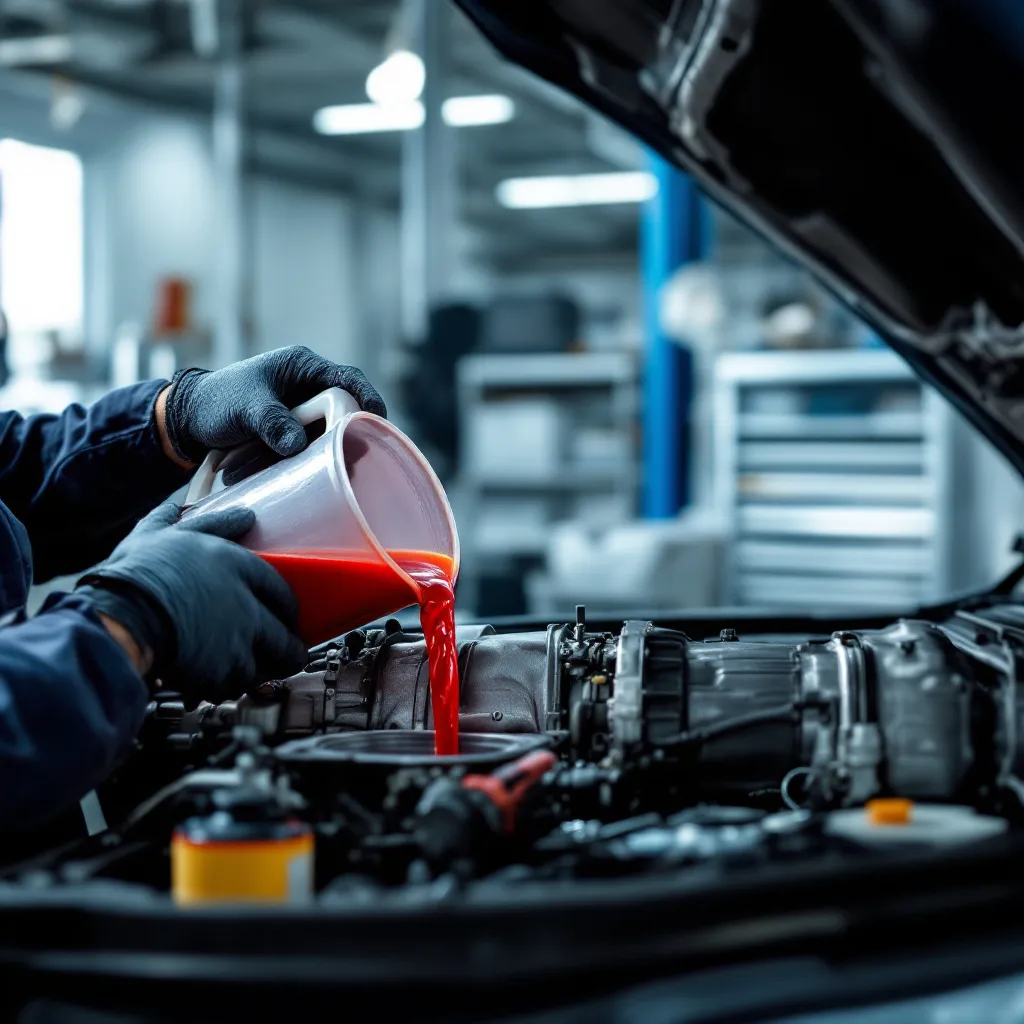
Simple, consistent habits go a long way. Check the transmission fluid periodically according to your owner’s manual and look for clear, reddish fluid rather than brown or black. Keep up with scheduled fluid and filter changes; fresh fluid helps with cooling and lubrication, which is especially important during hot California summers. Cooling system maintenance also affects transmission longevity—an overheated engine can transfer extra heat into the transmission, so keep radiator and coolant health a priority.
How driving habits affect transmission longevity
The way you drive makes a measurable difference. Avoid sudden, aggressive starts and shifts, and try to reduce prolonged idling in heavy traffic. If you tow or haul regularly, make sure the vehicle is equipped with the appropriate towing package and that the transmission has been serviced to handle the extra load. For automatic transmissions, use the proper gear selection on steep inclines rather than relying solely on the brakes, which helps prevent overheating and wear.
Common repairs and what to expect
Not all transmission work is the same. Minor repairs might involve replacing worn seals, solenoids, or the fluid filter, while more serious issues can require a rebuild or replacement of the transmission assembly. Diagnostic scans and fluid analysis are the first steps to pinpoint problems. When you choose a shop, look for technicians who explain findings clearly and present repair options rather than pressuring you into unnecessary extras. In Thousand Oaks, we’ve built trust by showing customers what’s failing and why a particular repair is recommended. If you need expert service, consider contacting our shop for dependable diagnostics of your transmission concerns: transmission repair.
Preventative checks I recommend during routine service
During oil changes or tune-ups, ask your technician to glance at the transmission fluid color and check for leaks around the pan and cooler lines. A pressure test and inspection of shift solenoids can catch electrical or hydraulic issues before they escalate. Many small issues start as a sensor failure or low fluid level; addressing those early keeps your transmission from developing internal wear patterns that are costly to fix.
FAQ
Q: How often should I have my transmission fluid checked? A: Check fluid levels at least every few months and follow the service intervals in your owner’s manual for full fluid and filter changes.
Q: Can I drive if my transmission slips? A: Driving with a slipping transmission can cause further damage. Have it inspected as soon as possible to minimize repair scope.
Q: What causes transmission overheating in our area? A: Heavy towing, steep canyon driving, and clogged coolers or low fluid can all contribute to overheating, which accelerates fluid breakdown and component wear.
Q: Do all transmissions require the same maintenance? A: No—manual and automatic transmissions have different needs. Some automatics require specific fluid types, and continuously variable transmissions (CVTs) have distinct service requirements. Always follow manufacturer recommendations.
I hope these explanations help you feel more confident about maintaining your vehicle’s drivetrain. If you suspect an issue or simply want a professional inspection, don’t wait until a minor symptom becomes a major repair. Bring your car in and we’ll perform a thorough diagnostic and explain the best course of action, focusing on longevity and dependable performance. For trusted, local transmission repair and honest assessments, our team in Thousand Oaks is ready to help—call or drop by to get started.
Auto Precision Repair
3121 E Thousand Oaks Blvd #4, Thousand Oaks, CA 91362, United States
Phone: +1 (805) 379-9900