
As someone who has worked on cars around Thousand Oaks for years, I can tell you that staying ahead of issues makes all the difference in reliability and safety. The phrase preventive maintenance isn’t just a service tag—it’s a habit that separates everyday drivers from drivers who end up stranded. In this article I’ll walk through the most common maintenance problems I see, why they happen here in our unique Southern California environment, and how a local, experienced shop can help you avoid bigger repairs down the road.
preventive maintenance: What Thousand Oaks drivers should know
One of the first patterns I notice is deferred basic care. Oil change intervals, fluid checks, and filter replacements are easy to delay when life gets busy, but skipping these simple steps accelerates wear. Dirty oil increases engine friction; clogged filters reduce efficiency; and neglected fluids—especially coolant and brake fluid—can lead to overheating or brake fade. The culprits are often familiar: busy schedules, uncertainty about manufacturer intervals, or the belief that “if it’s running fine, leave it alone.” In Thousand Oaks, the mix of freeway miles and stop-and-go local traffic makes this oversight show up faster than you might expect.
Engine and cooling system concerns
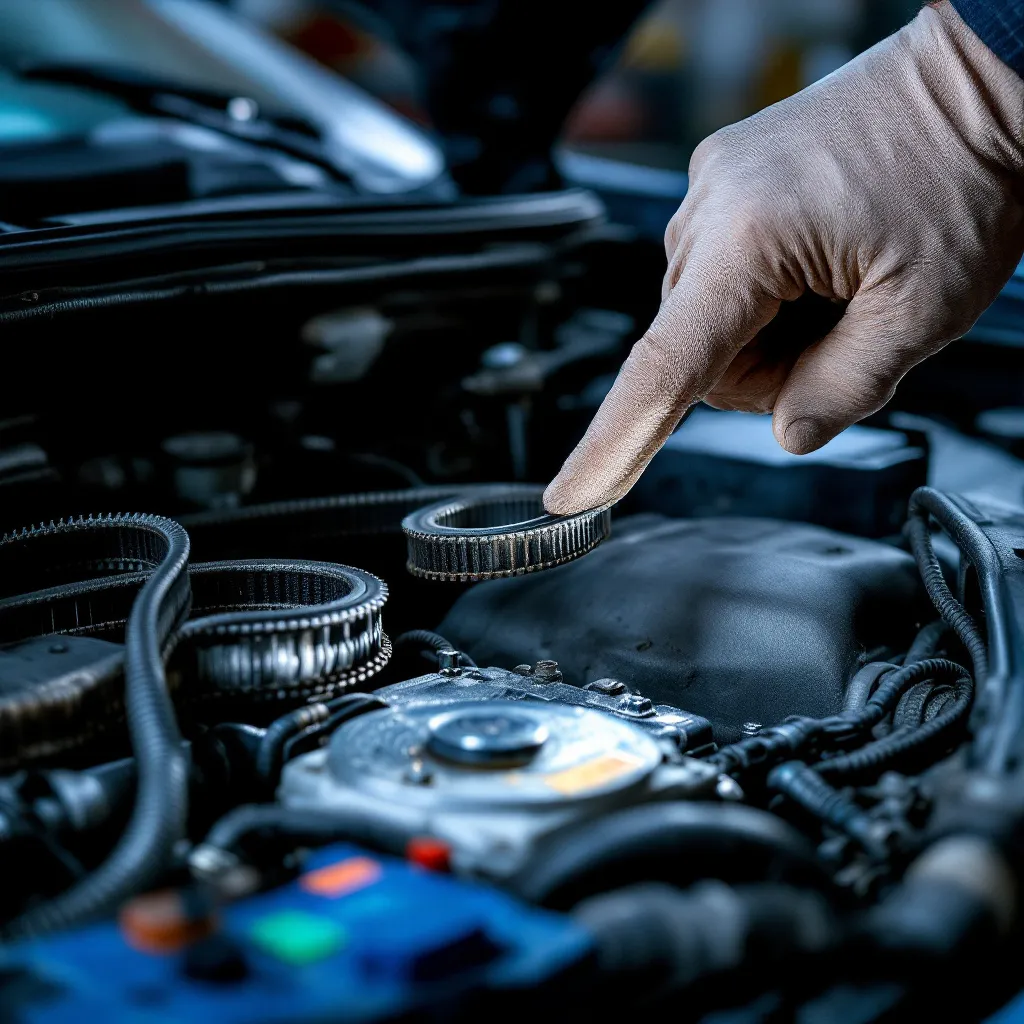
Our warm Mediterranean climate means cooling systems work harder. Radiator hoses, water pumps, and thermostats are subject to heat-related deterioration. When a cooling system falters, the symptoms can be subtle at first—slightly higher operating temperature or a faint smell of coolant—before escalating to overheating and potential engine damage. Worn belts and aging hoses are another frequent issue; a snapped belt on a hot day can leave you waiting for a tow. Routine inspections that include pressure tests and visual checks catch these before they cause a breakdown.
Brakes, tires, and suspension: safety-first maintenance
Tire wear patterns and brake performance tell a detailed story about how a vehicle is being driven and whether alignment or suspension components are failing. Uneven tire wear often signals alignment or suspension problems, and reduced braking responsiveness typically points to worn pads, low fluid, or warped rotors. Because Thousand Oaks drivers face both highway commuting and occasional winding canyon roads, it’s common to see faster wear in certain components. Addressing these issues early prevents more expensive repairs and maintains stopping power in emergency situations.
Electrical systems and batteries
Battery failures, corroded terminals, and intermittent electrical gremlins are surprisingly common, especially in cars that sit for long periods or make short, infrequent trips. Modern cars rely on a complex web of sensors and electronics, and a weak battery can lead to error codes that affect fuel economy and performance. Regular battery testing and terminal cleaning are low-cost, high-impact steps that reduce the chance of being stranded on a hot summer afternoon.
Diagnostics, sensors, and the newer‑tech vehicles
As vehicles become more sophisticated, sensor-related problems and software updates become part of routine care. A check engine light can be triggered by something as simple as a loose gas cap or as complex as an oxygen sensor on the verge of failure. Proper diagnostics are crucial: reading codes, interpreting freeze-frame data, and performing targeted tests prevents unnecessary part replacements. For many drivers in Thousand Oaks with newer cars, staying current with software and calibration is an important facet of preventive maintenance that avoids drivability issues.
How we approach preventive care locally
In our shop we start with a thorough inspection and a clear explanation of what will prevent immediate and future problems. That includes checks you might not think about: cabin air filters that affect HVAC performance, driveline components that influence ride quality, and even undercarriage checks for early signs of corrosion or damage. Communication matters—knowing what’s urgent versus what can wait helps you make informed choices that align with your schedule and safety priorities.
FAQ
Q: How often should I have routine inspections? A: For most vehicles, a basic inspection every 6 months or 6,000–8,000 miles is a good rule of thumb, though your owner’s manual provides the manufacturer-recommended intervals.
Q: What signs indicate an immediate concern? A: Unusual noises, fluid leaks, rapid temperature changes, a persistent dashboard warning light, or a dramatic drop in braking performance are all signs to bring the car in right away.
Q: Can I do some preventive maintenance myself? A: Absolutely. Simple tasks like checking tire pressure, monitoring fluid levels, and replacing windshield wipers are great to do at home. For anything involving diagnostics, brakes, cooling systems, or modern electronic modules, professional service reduces risk and ensures the job is done right.
Q: Is preventive maintenance worth it for older cars? A: Yes. Older vehicles benefit even more from regular attention because worn components can cascade into larger failures. Keeping up with maintenance extends life and preserves value.
If you’re ready to protect your vehicle and keep it dependable on daily commutes or weekend escapes, I encourage you to make preventive care a priority. For many neighbors in Thousand Oaks, that starts with a simple conversation about what’s most important for their driving habits. Schedule an inspection and learn a practical plan tailored to your car’s needs: preventive maintenance. We’ll walk you through what to address now and what you can monitor, always with clear explanations and a focus on safety.
Auto Precision Repair
3121 E Thousand Oaks Blvd #4, Thousand Oaks, CA 91362, United States
Phone: +1 (805) 379-9900