As a local technician who has worked on countless commuter cars and weekend classics around the Conejo Valley, I still find that the phrase auto repair carries a mix of anxiety and relief for drivers. When someone rolls into my shop in Thousand Oaks, they want clear answers, fair workmanship, and a plan that keeps their vehicle safe and dependable. If you’re wondering what commonly goes wrong with cars here, and how we diagnose and fix those issues, I’ll walk you through what I see most often and how I recommend approaching repairs. For reliable service and honest advice, many locals trust auto repair from shops that combine modern diagnostics with old-fashioned care.
Common mechanical problems I encounter
Living near the coast and driving in mixed urban and canyon conditions creates a predictable pattern of wear. Brake systems tend to be one of the most frequent concerns. Drivers report squealing, vibration, or a mushy pedal, and those symptoms often point to worn pads, glazed rotors, or a need for fluid service. Electrical problems are another top complaint: intermittent starting, dimming lights, or dashboard warning lights usually trace back to batteries, alternators, or corroded connections. I also see many air conditioning issues during our warm months—simple refrigerant top-ups sometimes mask leaks, and compressors or condensers eventually need attention.
Why these issues happen in Thousand Oaks
Many problems are accelerated by local driving habits and environmental factors. Short trips and stop-and-go freeway driving contribute to battery drain and deposit buildup in engines. Coastal humidity combined with seasonal temperature swings increases the chance of corrosion on electrical terminals and underbody components. Our roads, while generally well kept, still have occasional rough patches that lead to suspension wear—struts, bushings, and alignment issues surface as clunks, uneven tire wear, or poor handling. Understanding the why helps us target the right repairs and avoid unnecessary parts replacement.
How we diagnose and prioritize repairs
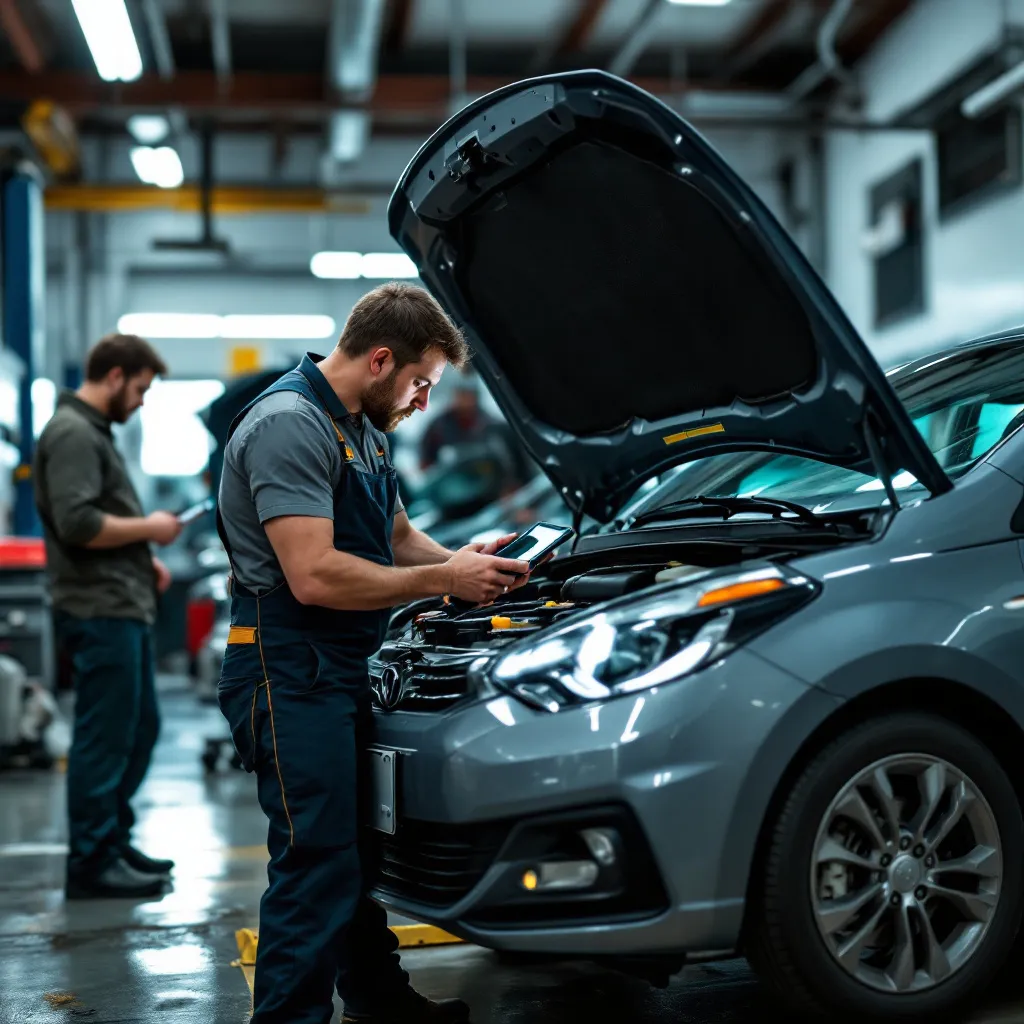
Diagnosis starts with listening: a conversation about driving habits and a careful road test, followed by targeted inspections and modern scan tools. For complex drivability problems a check-engine code is a starting point, not the whole story, and a good technician will trace the root cause instead of simply swapping parts. I often recommend prioritizing safety-related systems—brakes, steering, tires, and lights—before comfort items like climate control, unless the latter are critical to a driver’s daily needs. When you’re choosing a shop, look for transparent communication, clear timelines, and a willingness to explain alternatives. For owners who prefer an independent shop with a community focus, many find that local auto repair shops offer superior continuity and accountability compared with larger chains.
Maintenance tips to reduce repair visits
Proactive maintenance is the single best way to avoid inconvenient breakdowns. Regular oil changes with the correct grade, timely brake inspections, battery checks before hot summer months, and seasonal HVAC inspections can keep small issues from turning into roadside emergencies. Tire care—keeping pressure stable and rotating tires according to mileage—extends tire life and preserves suspension components by promoting even wear. I always encourage drivers to follow manufacturer service intervals, but to also treat their vehicle as a dynamic system: if something feels or sounds off between scheduled visits, bring it in sooner rather than later.
Choosing the right shop in Thousand Oaks
Picking a repair shop can be personal. Some drivers prioritize convenience, others warranty, and many want trustworthiness above all. A good shop will explain what’s essential, what can wait, and why. Ask about diagnostic processes, parts sourcing, warranties on labor, and whether your vehicle will be inspected with the same care as a long-time customer’s car. If you value a local relationship where your car’s history is known and communication is direct, it’s worth considering independent technicians who live and work in the community.
FAQ
Q: How often should I have my brakes inspected? A: I recommend a visual inspection at every oil change and a full brake service when you notice noise, vibration, or decreased stopping performance. Regular checks can catch pad or rotor wear before it affects safety.
Q: My check engine light came on—do I need to panic? A: Not usually. The light signals that the car’s computer has detected an issue. Bring it in so we can read the trouble codes and determine if the problem is urgent or a maintenance item that can be planned.
Q: How can I extend my battery’s life in local conditions? A: Avoid letting the battery sit unused for long periods, minimize short trips when possible, and keep terminals clean and tight. If your battery is more than three years old, have its health checked annually.
Q: Is it better to repair or replace suspension components in pairs? A: For most vehicles, replacing components in pairs (like both front struts) maintains balanced handling and predictable performance, which is especially important for safe cornering on canyon roads.
If you want a local team that listens, explains, and stands behind their work, I invite you to stop by or call. For hands-on diagnostics and community-centered care, our approach to auto repair combines modern tools with the kind of thoroughness you only get from technicians who live here. Whether it’s preventive maintenance or a complex fault, we focus on reliable solutions that keep Thousand Oaks drivers safe and moving. To schedule an inspection or just get advice about a worrying noise, reach out and we’ll help plan the next steps: auto repair.
Auto Precision Repair
3121 E Thousand Oaks Blvd #4, Thousand Oaks, CA 91362, United States
Phone: +1 (805) 379-9900