
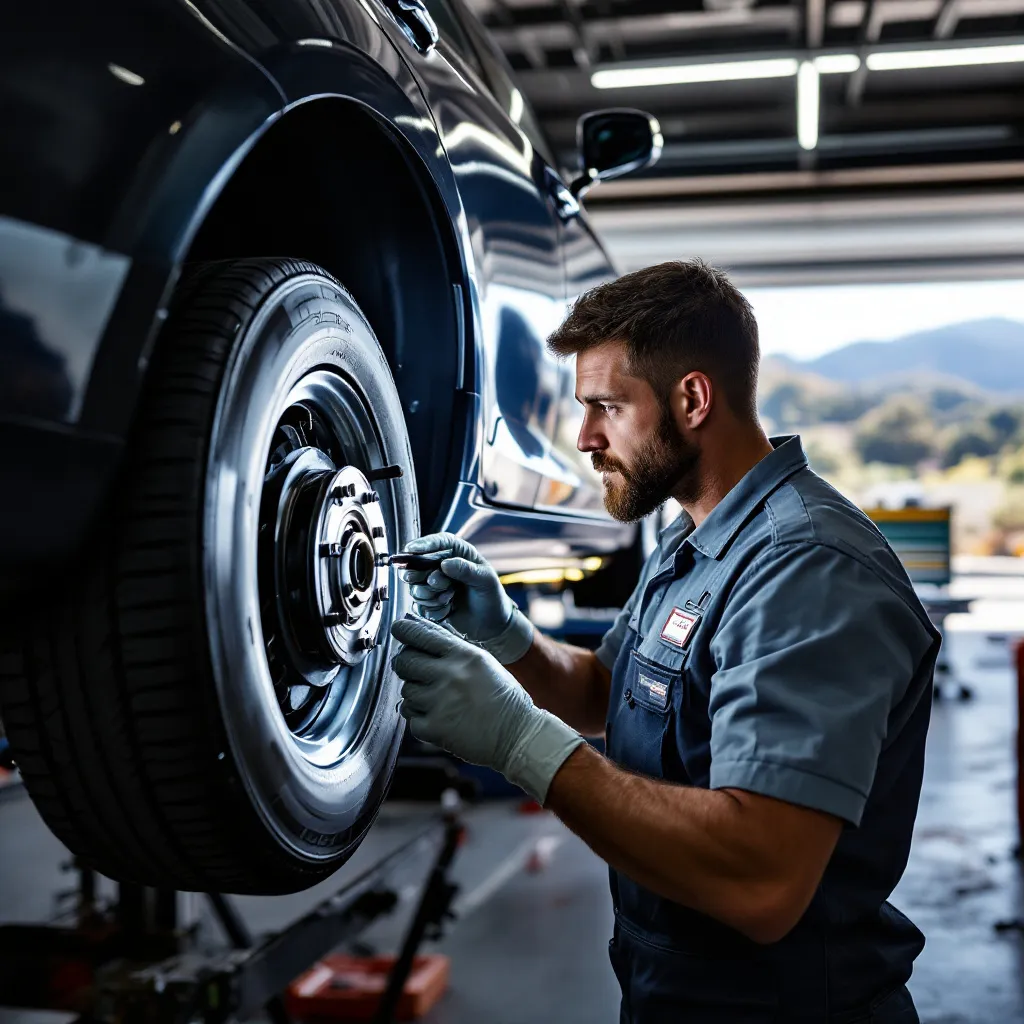
As a technician who has worked on countless local vehicles, I know that routine attention to common systems keeps drivers safe and delays expensive breakdowns. When people in Thousand Oaks talk to me about maintenance, the phrase auto repair comes up first, because it captures both preventive care and the urgent fixes that save lives on the road. In this piece I’ll walk you through the inspection priorities I use every day in the shop, so you can recognize symptoms early and have confidence when you bring your car in.
auto repair inspection priorities
The first thing I check is safety equipment that degrades with use: brakes, tires, and lights. Brake pads, rotors, calipers and fluid condition tell a lot about how a car is driven and maintained. Tires wear unevenly for reasons that range from alignment and suspension wear to simple underinflation. Lights and signaling systems may seem minor, but a faulty brake light or headlamp becomes a hazard during evening commutes or foggy mornings near the Conejo Valley hills. Prioritizing these items ensures the vehicle stops, steers, and signals properly.
Brakes, tires and suspension: what to look for
When I inspect brakes I listen for vibration and squeal while also measuring pad thickness and rotor condition. A slight pulsing under braking can mean warped rotors, while a metallic grind means pads are gone and damage is imminent. Tires demand visual and hands-on checks: tread depth, sidewall condition, and evenness across all four corners. Suspension components like shocks, struts and bushings affect ride quality and tire life; worn parts can disguise themselves as normal road noise until a sharp turn reveals looseness or body roll. Early detection prevents cascading problems and preserves handling stability on our winding local streets.
Fluids, belts, and engine health
Under the hood, one of the most overlooked priorities is fluid condition. Engine oil, transmission fluid, coolant, brake fluid and power steering fluid each have specific signs of trouble—contamination, low level, or burnt smell—that hint at developing failures. Belts and hoses age with heat cycles and should be checked for cracking or fraying. During inspections I also scan for small leaks that can turn into bigger headaches if left unattended. A thorough fluid and belt check is fundamental to reliable operation and can prevent a roadside breakdown on the 101 or while running errands around Thousand Oaks.
Electrical systems and modern diagnostics
Modern vehicles rely on an intricate electrical network. Battery health and charging systems are quick checks that prevent unexpected no-starts. Corroded terminals, weak alternators, or parasitic drains are common culprits. With today’s onboard diagnostics, a dashboard light often flags issues long before they become severe. I recommend reading trouble codes early and interpreting them within the context of symptoms; sometimes a stored code points to an intermittent condition, and a careful test drive combined with targeted diagnostics reveals the real cause.
Climate control, visibility, and comfort systems
Comfort systems like HVAC, windshield wipers, and defogging functions are more than conveniences in California’s variable weather. A weak heater or failing blower may hide a clogged cabin filter or failing blower motor. Wipers that streak reduce visibility during a sudden rain, and a compromised defrost system can make early morning commutes risky. Routine inspection of these systems keeps the driver focused on the road instead of dealing with avoidable distractions.
When to schedule an inspection
As a guideline, older vehicles and those with higher mileage should be inspected more frequently, but even new cars benefit from an annual multi-point check. If you notice odd noises, new vibrations, warning lights, changes in fuel economy, or fluid spots in your driveway, bring the car in sooner. If you’re looking for trusted local service, our shop has years of experience adapting inspections to the specific needs of Thousand Oaks drivers and conditions—whether you commute up the hills or take the daily school run, regular checks matter for longevity and safety. For proactive maintenance and dependable diagnostics, I often recommend a full inspection as a first step toward long-term care and peace of mind, and many drivers find that a quick conversation about symptoms saves hours and stress later in the process.
FAQ
Q: How often should I have an inspection?
A: I recommend at least one comprehensive inspection per year, sooner if you notice warning signs like noises, warning lights, or leaks.
Q: What are the most urgent items to address?
A: Brakes, tires, lights and steering/suspension issues should be addressed immediately because they directly affect safety and vehicle control.
Q: Can I rely on warning lights alone?
A: Warning lights are useful but not exhaustive. Some developing conditions don’t trigger lights until they’re advanced; regular visual and hands-on inspections catch those earlier.
Final steps to keep your car reliable
Choosing the right shop and communicating symptoms clearly makes inspections more effective. Bring recent maintenance records if you have them, describe when and how issues occur, and ask technicians to explain findings in plain language. If you prefer preventative planning, set reminders for fluid checks and tire rotations—small actions now prevent big disruptions later. For dedicated local service tailored to Thousand Oaks drivers, contact us to set up an inspection or to discuss specific concerns. You can learn more about how we approach thorough, honest auto repair and book an appointment when you’re ready.
As your neighbor and a hands-on technician, I encourage regular inspections so your vehicle stays reliable under California skies. If something feels off, don’t wait—the sooner we identify a developing problem, the less likely it is to become a major repair. For a comprehensive review and personalized recommendations, trust a team that understands local roads and climate.
If you’d like to schedule an inspection or get advice on what to watch for between visits, reach out today and experience professional, attentive auto care. We make scheduling simple and focus on clear communication during every inspection, because that’s how you stay safe and on the move with confidence. Learn more about trusted auto repair and let us help you keep your car in top condition.
Auto Precision Repair
3121 E Thousand Oaks Blvd #4, Thousand Oaks, CA 91362, United States
Phone: +1 (805) 379-9900