
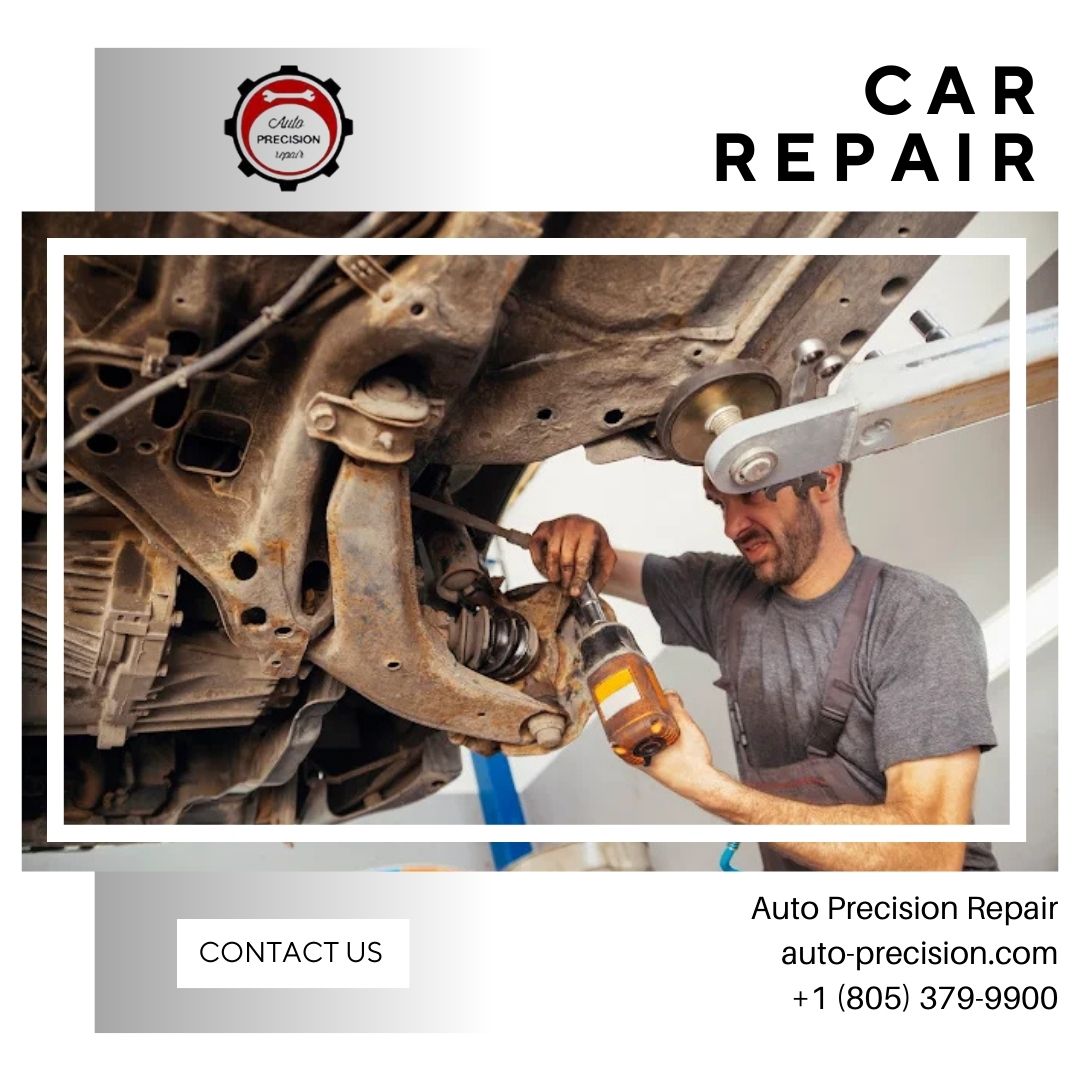
On school mornings in Thousand Oaks, minivans and SUVs line up along neighborhood streets, idling gently while kids shoulder backpacks and parents sip coffee. The routine feels effortless until the day a brake pedal sinks a little farther than usual, a warning light flashes, or a tire looks low. That’s when you remember that essential maintenance isn’t a luxury; it’s the foundation that keeps families safe and on schedule. In a community where weekend plans can mean a drive to the beach over the Conejo Grade, a soccer tournament along Janss, or a hike into the Santa Monica Mountains, timely attention to car repair is the quiet guardian of daily life.
Safety has a rhythm here, shaped by our roads and climate. Canyon curves reward steady steering and strong suspension. The 101’s stop-and-go pulses push brakes and transmissions. Summer heat tests fluids and batteries. Wind-blown debris after Santa Ana events can pepper tires and cabin filters. Families, juggling school, work, and activities, often ask what matters most. The answer is simple but profound: a culture of prevention and promptness—catching little issues early, so the car you count on remains a dependably safe space for everyone inside.
Brakes: The Confidence Behind Every Stop
When you roll down the hill by Thousand Oaks Boulevard and see a yellow light blink, you’re relying on a network of components to slow you smoothly and predictably. Brake pads need enough material to dissipate heat, rotors must stay within thickness specifications, and brake fluid has to maintain its boiling point. In family vehicles, with car seats, strollers, sports gear, and groceries in tow, added weight subtly increases stopping distances and heat load. Checking pads and fluid before they cross the line from fine to marginal preserves the confident stops you expect. When the pedal feel is firm and the car tracks straight, that’s safety you can sense.
It’s easy to delay a brake inspection, especially when schedules are packed, but wear escalates quickly once pads get thin. Metal-on-metal contact not only compromises stopping power but also risks rotor and caliper damage, drawing you into bigger repairs. Early attention keeps components healthy and helps avoid last-minute scrambles when a class concert, doctor appointment, or family visit can’t be missed. Families thrive on consistency, and brakes that do their job every time are a cornerstone of that stability.
Tires: The Only Contact Patch That Matters
Tires translate every family plan into motion, gripping pavement during school drop-offs, freeway merges, and rainy-day errands. In Thousand Oaks, temperature swings and occasional storm washouts affect pressures and tread life. Underinflated tires run hotter and wear faster along the edges; overinflated ones wear the center and reduce traction. A quick pressure check, especially before a drive over the Conejo Grade, is one of the fastest ways to protect everyone in the car.
Uneven tread wear tells a story about alignment and suspension health. If you notice the steering wheel slightly off-center on straight roads or the car drifting on gentle curves, an alignment check safeguards not only your tires but also your control in sudden lane changes. Families often carry precious cargo in the back seat; stable handling and strong braking grip are non-negotiable. Catching a slow leak from a nail picked up near a construction zone or a worn valve stem is the kind of small win that prevents a roadside stop with kids in the car.
Visibility and Comfort: Seeing and Breathing Well
Safety isn’t just about what’s under the car; it’s also what you see and breathe inside it. Cabin air filters catch dust, pollen, smoke, and road debris. After windy conditions, these filters can clog and reduce airflow, straining defrosters and A/C. Clear visibility on a damp morning depends on a healthy defrost system and wipers that aren’t brittle from the sun. In family cars, where the climate control might juggle between warm rear cabin needs and cool front seats, a clean filter and a strong blower ensure everyone keeps calm and comfortable.
Headlights and brake lights deserve attention before long trips or late-night returns from activities. Oxidized headlight lenses dim the road and increase eye strain; addressing that clarity can feel like sprucing up the whole car’s confidence. Inside, unfamiliar odors—sweetness suggesting coolant, or a vinegary tang pointing to battery issues—are more than nuisances. They’re clues. Acting on those clues protects your family from breakdowns and from irritants that can make rides uncomfortable.
Engines, Fluids, and the Quiet Work of Reliability
Modern engines are durable, but they still depend on fluid health and airflow. Thousands of short trips—those two-mile hops to school and back—don’t always warm oil enough to evaporate moisture, so sludge can develop over time. An oil change on schedule, or even slightly early for a family car that sees mostly short runs, keeps lubrication strong. Coolant condition matters during heat spikes and long climbs; if it’s tired, the engine works harder, and that stress can ripple into sensors and seals.
Transmission behavior is another key. Families often load vehicles for sports tournaments, weekend getaways, or a run to Costco. Added weight and hills generate heat. Regular checks of transmission fluid color and smell, where applicable, provide an early window into health. Smooth shifts protect driveline components and preserve the ease that makes daily driving feel effortless. If you sense a hesitation or a flare between gears, it’s time for a professional evaluation before a minor hiccup becomes a drivability concern.
Electrical Systems and Battery Health
It’s not glamorous, but batteries fail more often in heat than in cold, and our warm snaps expose weak cells. The typical family routine—start, stop, start, stop—demands short bursts of power many times in a day. A battery that’s marginal can become the reason you’re late to a recital or stranded after a t-ball game. Load testing and a quick inspection of terminals for corrosion are simple steps with outsized benefits. When combined with alternator output checks, you can rest easy knowing the car will start when you ask it to.
Electronics also govern safety features like ABS, stability control, and advanced driver assistance systems. If a dash light comes on, even briefly, it’s worth documenting the moment and scheduling a diagnostic. These systems are your digital co-pilots, and they’re essential when a dog darts out on a neighborhood street or traffic suddenly brakes near the 23 interchange.
The Role of Professional Inspection
Parents often ask what they can check at home and what should be left to professionals. A great division of labor is this: you observe changes and patterns—the dash lights that flicker, the faint vibrations, the smells after parking—while a technician investigates and verifies. A routine inspection translates your observations into targeted actions. Worn suspension bushings that add play to steering, loose underbody panels that buzz at freeway speeds, or a tiny coolant seep behind a hose clamp might all be invisible from the driver’s seat but obvious on a lift. Finding them early turns the big, disruptive repair into a small, scheduled visit.
Local experience matters. A shop that test-drives on our roads understands how family vehicles behave on Thousand Oaks Boulevard and how they respond to the grade heading toward the coast. That familiarity shortens diagnostic time and helps customize recommendations. You get exactly what you need—no more, no less—to keep your family car safe and pleasant to drive.
In the middle of a busy season, it’s easy to forget that a quick visit can prevent the stressful kind of breakdown that derails an evening plan. Use calendar reminders, or tie vehicle checks to life events: before the first big heat wave, before the rainy season, or before a road-trip holiday. A brief appointment for car repair today might be the reason a bigger plan unfolds smoothly next weekend.
Preparing for Seasonal Shifts
Autumn brings drier air and winds, which load cabin and engine air filters with dust. Winter rains slick the roads and expose alignment issues or weak wipers. Spring’s pollen and coastal fog test defrost and visibility systems, while summer’s heat taxes cooling systems and batteries. Families can stay ahead by building a rhythm: a comprehensive check before summer, a visibility and tire review before winter, and quick follow-ups when oddities appear. Think of it as a loop of attentiveness that keeps your car in school-ready shape all year long.
As seasons change, the car’s behavior teaches you. A slight squeal from a belt on a cool morning, a brake squeak after a rainy week, or a vibration that shows up only at 65 mph are all breadcrumbs. Follow them. You’ll protect what matters most: the people in the back seat and the plans on your calendar.
Frequently Asked Questions
What safety-related maintenance should I prioritize for a family car?
Brakes, tires, and visibility systems come first. That means ensuring pad thickness and fluid quality are solid, tire pressures and tread are healthy and even, and wipers, headlights, and defrost work well. These three pillars—stopping, gripping, and seeing—support all the others.
How often should I check tire pressure?
Check at least monthly and before any longer drive over the grade or out of town. Temperature shifts change pressure, and underinflation compromises handling and braking, especially with a full family load.
My dash showed a warning light for a moment, then it went away. Should I worry?
Brief alerts can signal intermittent issues. Note the conditions—speed, temperature, A/C on or off—and schedule a diagnostic. Catching a problem early, even if it’s not constant, helps avoid sudden failures.
Are short trips hard on the engine?
They can be. Short trips may not fully warm the engine oil, allowing moisture to accumulate and contaminate. An oil change a bit earlier than the maximum interval is a good strategy for vehicles that mostly handle school runs and quick errands.
How do I know if brakes need attention?
If you hear squealing, feel pulsation, notice a pull under braking, or the pedal feels softer than usual, it’s time to inspect. Also consider a check before winter rains, when traction is at a premium and braking confidence matters most.
What should I do before a family road trip?
Request an inspection of tires, brakes, fluids, belts, and cooling system. Ensure the spare tire and jack are ready. Addressing small concerns before departure keeps the focus on fun rather than fixes.
Every parent in Thousand Oaks understands the value of a dependable car. It’s the shuttle to school, the chariot for birthday parties, the lifeline for appointments, and the vessel for weekend adventures. When your vehicle is maintained thoughtfully, it quietly supports your family’s schedule without demanding attention.
If you’ve noticed a new sound, a light on the dash, or a change in how your car feels, plan a visit with a trusted local shop for thorough car repair. A quick, proactive appointment today helps ensure that tomorrow’s plans—from school drop-offs to coastal getaways—happen exactly as you imagined.
Your family deserves a vehicle that feels as safe and steady as home. Take the next step and schedule comprehensive car repair with a local expert who knows our roads, our climate, and the everyday needs of Thousand Oaks families.
READ MORE:
Why Timely Car Repair Saves Money in Thousand Oaks California
Emerging Car Repair Trends Shaping Thousand Oaks California Drivers