
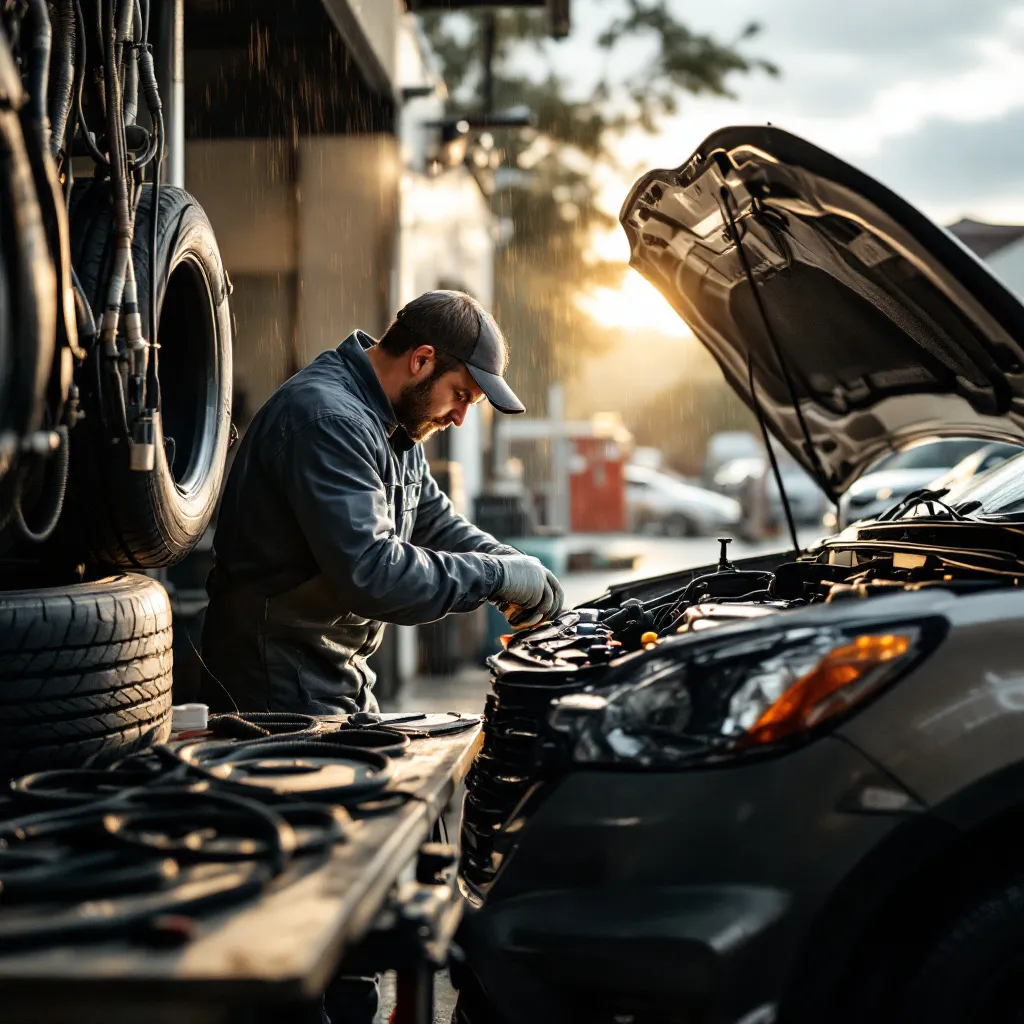
Living and driving in Thousand Oaks means enjoying mild winters, warm summers, and the occasional heavy rain. As a local auto mechanic who has worked on everything from commuter sedans to family SUVs around our neighborhoods, I’ve seen how seasonal changes quietly affect brakes, tires, cooling systems, and batteries. This article walks you through practical seasonal auto care tailored to our climate, helping you avoid unexpected breakdowns and keep your vehicle performing reliably year-round.
Seasonal Advice from Your Local auto mechanic
Seasonal maintenance isn’t just about ticking boxes — it’s about understanding how temperature swings, humidity, and local road conditions influence wear and tear. As someone who services cars in Thousand Oaks, I encourage drivers to treat maintenance as proactive care. Small inspections between major services catch developing issues early and extend component life. I’ll describe the key areas I focus on during each season and why they matter for both safety and long-term ownership satisfaction.
Spring and Summer: Cooling, AC, and Tire Care
When temperatures climb, cooling systems and air conditioning bear the brunt. Radiator hoses, belts, and coolant levels should be inspected for signs of aging or leaks. An overheated engine can lead to expensive damage, so checking coolant condition and thermostat operation is a priority. Your air conditioning system benefits from a performance check now too; a failing compressor or low refrigerant is easier to address before the heat becomes constant.
Tires are another summer concern. Heat increases tire pressure and can accelerate tread wear. I look for uneven wear patterns that indicate alignment or suspension issues, and I recommend regular pressure checks before longer trips. Even in milder climates, road temperatures can be significantly higher than the air temperature, and that affects handling and braking distances.
Fall and Winter Preparation: Brakes, Battery, and Seals
Fall is the right time for brake inspections and battery health checks. Cooler nights can reveal a weak battery that struggled through summer, and leaf debris can trap moisture against vulnerable seals. Brake pads and rotors should be assessed for remaining life and any signs of corrosion. Replacing worn pads before winter preserves stopping power on wet roads. I also inspect door and trunk seals to prevent water intrusion that leads to electrical issues and mold.
Fluid checks are important year-round, but especially before the rainy season. Fresh wiper blades, washer fluid with good visibility properties, and well-maintained windshield seals make a difference when driving through heavy showers. It’s surprising how often a clogged drain or forgotten seal creates rust or interior dampness that could have been prevented with a quick seasonal check.
Routine Checks and What to Expect at the Shop
A typical seasonal visit at a trusted local shop involves a systematic review: visual inspections, fluid conditions, belt tension, battery testing, and a short road test to detect odd noises. I take time to explain any issues in plain language and demonstrate problem areas when possible. For drivers who want transparency, I document findings and prioritize repairs by safety and convenience. When owners understand the trade-offs, they make better decisions about what to address now and what can wait.
Mid-season visits are often overlooked, but they pay off. A quick inspection after a long trip or before a planned vacation reduces the risk of roadside issues. When I advise clients about maintenance intervals, I consider driving patterns — frequent short trips versus long highway commutes require different attention for oil change intervals, transmission checks, and tire rotation schedules.
For readers interested in finding reliable hands, the role of a certified and communicative auto mechanic is invaluable. A technician who knows local roads and climate patterns can spot regional wear trends that general checklists might miss. That regional experience often translates into quicker diagnosis and targeted preventive steps that save time and hassle.
Frequently Asked Questions
Q: How often should I get seasonal maintenance? A: It depends on your driving habits and vehicle age, but a focused seasonal check twice a year — spring and fall — is a good baseline for Thousand Oaks drivers.
Q: Can I do any seasonal checks myself? A: Yes. Basic checks like tire pressure, fluid levels, and wiper blade condition are easy and useful. However, belts, hoses, and braking systems benefit from professional inspection.
Q: What signs indicate immediate attention is needed? A: Unusual odors, persistent dashboard warnings, irregular braking, or a battery that struggles to start the car in cooler mornings are all signs to seek service promptly.
Q: Does climate change how often certain parts need replacing? A: Local climate patterns influence wear. In Thousand Oaks, UV exposure, occasional heavy rains, and warm temperatures can accelerate rubber and seal degradation, so regular inspections are important.
Q: How do I prepare my car for a long trip from Thousand Oaks? A: Schedule a pre-trip inspection to check tires, brakes, fluids, and cooling systems. Confirm spare tire and tools are present and in good condition.
Seasonal care is about preservation and peace of mind. If you treat maintenance as an investment in daily safety and long-term reliability, your vehicle will reward you with fewer surprises and better performance.
When you’re ready to schedule a thorough seasonal inspection or have specific concerns about how our local climate affects your vehicle, reach out to an experienced auto mechanic who understands Thousand Oaks roads and drivers. Trustworthy service keeps you moving with confidence and helps avoid preventable breakdowns.
Auto Precision Repair
3121 E Thousand Oaks Blvd #4, Thousand Oaks, CA 91362, United States
Phone: +1 (805) 379-9900