As someone who has worked on vehicles around Thousand Oaks for years, I see the same concerns come up whenever drivers call about stopping problems. If you’ve been searching for reliable auto repair, you want clear explanations, no surprises, and a shop that treats your car like it belongs to a neighbor. In the paragraphs that follow I’ll walk through the most common brake issues I encounter, what inspection looks like from a technician’s perspective, and how you can make smarter decisions about maintenance in our local climate. If you’ve ever heard grinding, felt a tug to one side, or noticed a soft pedal, this guide is for you.
Brake Maintenance and auto repair in Thousand Oaks
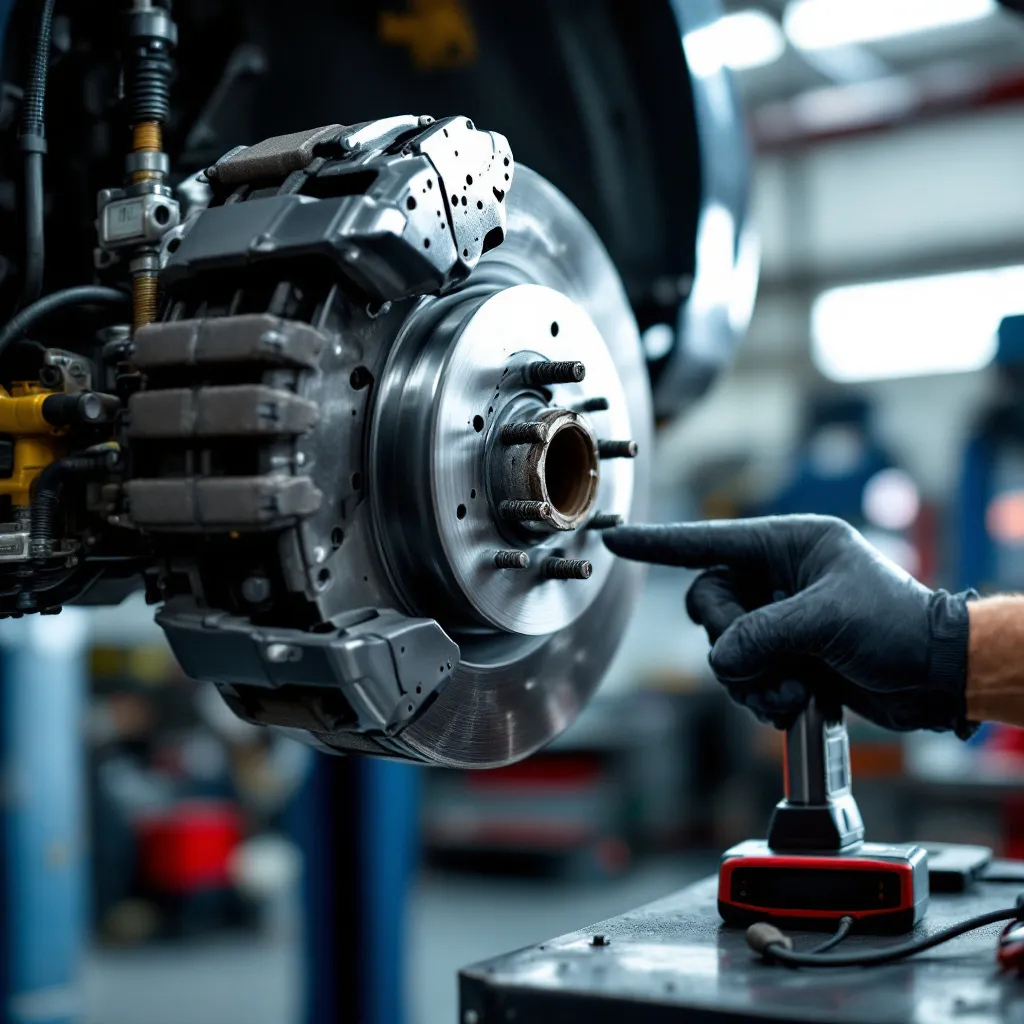
Brake systems are straightforward in principle but complex in detail. Pads press against rotors to slow the car, calipers guide that process, and hydraulic lines transfer force from your foot to the braking surfaces. Living in Thousand Oaks means we deal with coastal humidity, stop-and-go highway traffic, and hilly streets; all of those factors affect wear patterns. During a routine inspection I’ll check pad thickness, rotor wear and runout, caliper operation, and the condition of brake fluid. Rust on the rotor faces is common here, but superficial rust is different from structural damage. Knowing the difference is part of good local auto repair advice.
How technicians diagnose brake noise and vibration
Noise and vibration are two of the most common symptoms that bring drivers into the shop. A high-pitched squeal can be a wear indicator on a pad, while grinding usually means metal-on-metal contact and demands prompt attention. Vibration through the steering wheel often points to warped rotors, but it can also be caused by uneven pad deposits or imbalanced tires. I always start with a test drive under controlled conditions to reproduce the complaint, then lift the car for a careful visual and hands-on inspection. Proper diagnosis avoids unnecessary parts replacement and keeps the job focused on restoring safety.
When to consider rotor resurfacing versus replacement
Rotors can sometimes be resurfaced if they have minor scoring and remain within thickness specifications. However, resurfacing reduces rotor thickness and is not always the best option, especially if rotors are already near the minimum. Heat damage, deep grooves, or cracks are signs that replacement is the safer choice. In Thousand Oaks, frequent short trips and hills can accelerate rotor wear. As part of trusted auto repair practice, I’ll measure rotor thickness and inspect for heat spots before making a recommendation, and I’ll explain the trade-offs so you can decide with full information.
A related consideration is matching new parts to the job. Pairing fresh pads with worn rotors will often lead to uneven bedding and continued noise. It’s a common reason drivers come back with a recurring problem. That’s why good shops consider the whole system — pads, rotors, calipers, and hardware — rather than swapping a single component in isolation. If you want to know what a comprehensive brake job includes, I’m happy to walk you through the steps and the rationale behind each one.
For routine preventive care, brake fluid condition is as important as pads and rotors. Over time brake fluid absorbs moisture, lowering its boiling point and potentially leading to a spongy pedal under hard use. Flushing the system at manufacturer-recommended intervals preserves pedal feel and extends component life. Many drivers overlook this simple service until they feel a difference in braking performance, but it’s a small investment to avoid stress when you need stopping power the most.
When residents ask about selecting a shop, I emphasize communication and transparency. A reliable technician will show you the worn parts, explain why they failed, and outline reasonable options. If you want a second opinion on a repair estimate or a suggested procedure, it’s a fair request. In our area I’ve seen drivers swap parts because they were rushed by unclear explanations. Taking the time to understand the issue and the recommended fix prevents that frustration and builds trust in local auto repair providers.
For community drivers who prefer to learn a bit more, I also cover how driving habits influence brake life. Aggressive stops, heavy loads, and prolonged downhill braking will shorten pad life and increase rotor stress. Conversely, gentle deceleration and anticipating traffic allow pads to last longer. Small behavior changes have outsized effects on maintenance intervals, and sharing these practical tips is part of being a neighborhood technician.
It’s also worth mentioning that modern vehicles often include ABS, electronic parking brakes, and wear sensors. These systems improve safety but add diagnostic layers. When an ABS light or wear sensor alert appears, scanning the vehicle’s diagnostic codes can pinpoint the cause quickly. A technician familiar with the local fleet of cars and common issues will speed up repairs and reduce downtime.
FAQ
How do I know if my brakes are unsafe?
You should seek inspection if you hear grinding, feel vibration, notice a pull to one side, or experience a soft or sinking brake pedal. Any unusual smell of burning during heavy braking also warrants immediate attention. Timely checks help avoid more extensive damage.
Can I drive short distances with worn pads?
Driving on worn pads can damage rotors quickly and reduce stopping power. Short trips might seem harmless, but if pads are below recommended thickness the risk increases. It’s best to have a professional evaluate the wear and recommend whether immediate service is needed.
Is brake fluid flush always necessary?
Brake fluid should be replaced according to your vehicle manufacturer’s schedule or if testing shows high moisture content. A fluid flush is preventive and preserves braking performance under heavy use. For many drivers, doing it at regular intervals is a sensible safety practice.
Can noise be fixed without replacing parts?
Sometimes noise is caused by glazing, deposits, or loose hardware, and careful cleaning, pad dressing, or replacing small clips can resolve it. Other times, the only solution is replacement. Diagnosis determines which approach is appropriate.
Ready to schedule an inspection or ask a specific question?
If you’re in Thousand Oaks and want straightforward, local auto repair that prioritizes safety and clear explanations, reach out and we’ll set a time to assess your brakes. I’ll show you what needs attention, explain the options, and help you choose the best path forward for your vehicle and driving habits. For dependable service from neighbors who care about your safety, call or visit and let’s get your brakes inspected today: auto repair.
Auto Precision Repair
3121 E Thousand Oaks Blvd #4, Thousand Oaks, CA 91362, United States
Phone: +1 (805) 379-9900