
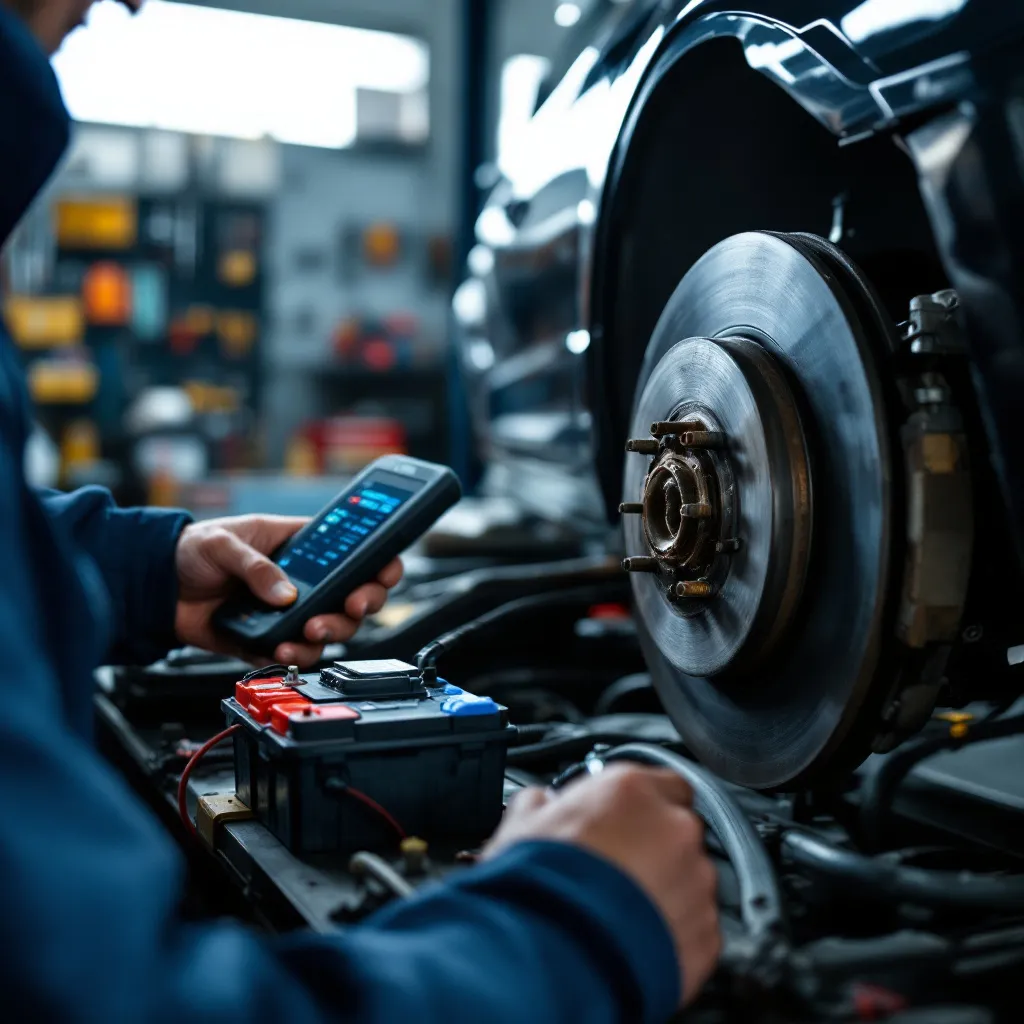
Living and driving in Thousand Oaks means rolling hills, coastal breezes, and the occasional long commute—conditions that test a vehicle in their own ways. As a local technician, I’ve seen the same patterns more than once, and when friends ask where to turn for reliable car repair, I point them to straightforward diagnostics and steady preventive care. If you want peace of mind on the road, start by understanding common problems and how we address them at a neighborhood level. For many residents the first step is clear: car repair that combines honest inspection with experienced hands.
Why Thousand Oaks roads lead to specific wear and tear
Thousand Oaks drivers experience a mix of freeway mileage and stop-and-go suburban trips. That combination accelerates wear on brakes, battery systems, and tires. The mild climate reduces salt-related corrosion, but heat and consistent stop-start traffic can still strain cooling systems and transmissions. I explain to customers that routine inspections catch small issues while they’re manageable—an alternator or battery under strain will often show warning signs before a roadside failure. Recognizing common symptoms early saves time and prevents inconvenience.
car repair: the most common mechanical failures I see
When someone brings a car into the shop, there’s usually a pattern: battery warnings, uneven brake feel, dashboard lights, or a rough idle. Batteries and charging systems are high on the list—parasitic drains, aging cells, and corroded connections are frequent culprits. Brakes, too, need attention; noisy braking often indicates worn pads or glazed rotors, while vibration can signal warped components. Engine lights are another common call: modern vehicles are complex, and a precise scan is the quickest way to narrow down whether it’s a sensor, ignition issue, or something more involved.
Preventive maintenance that actually makes a difference
Preventive maintenance isn’t about following a checklist blindly; it’s about adapting service intervals to how you drive. For commuters who tackle long stretches on the 101, more frequent oil and filter changes help manage engine heat and contaminants. For those with lots of short trips, attention to battery health and fuel system cleaning pays off. We recommend periodic inspections of belts, hoses, and fluid levels, and we educate customers on simple checks at home. A quick monthly visual inspection and listening for unusual noises can be surprisingly effective at catching early signs of trouble.
Midway through a vehicle’s life, drivers often consider upgrades like better tires or improved brake components—choices that can be made smarter with professional advice. Reliability comes from pairing correct parts with correct service, and when residents choose local providers, they get context-aware recommendations. If you’re unsure where to start, a diagnostic visit can clarify priorities and prevent unnecessary work. For tailored advice, many Thousand Oaks drivers look to shops that emphasize clarity and follow-through on each repair, including firm guidance on the next steps and timelines for follow-up.
Common diagnostics and how they point to solutions
Diagnostics are part science, part experience. A misfire, for instance, could be ignition coils, plugs, or a fuel delivery issue; we use handheld scans and test drives to isolate the problem. Cooling issues are often traced to thermostats, water pumps, or clogged radiators—symptoms like fluctuating temperature gauges and soft hoses are helpful clues. Transmission complaints require careful evaluation because symptoms can be similar across fluid, electronic, or mechanical failures. A clear diagnosis reduces the risk of recurring problems and ensures parts are replaced only when necessary.
What to expect during a repair and how to stay informed
Transparency is key. Clients appreciate step-by-step explanations, photos of worn parts, and clear estimates of time needed for repairs. We keep communication straightforward: explain the problem, propose solutions, and outline what preventive steps will keep the vehicle running. Many drivers are surprised by how an organized service visit can remove uncertainty—simple updates during the repair process make a big difference in trust and satisfaction.
FAQ
How often should I have routine maintenance performed?
Routine maintenance frequency depends on your vehicle and driving habits. Generally, oil and filter changes, fluid checks, and brake inspections should happen at regular intervals recommended by the manufacturer, with adjustments for frequent short trips or heavy freeway driving. If you’re unsure, a visit for a quick inspection will set a personalized schedule.
My check engine light is on—should I keep driving?
If the light is steady, it’s usually safe to drive cautiously to a repair facility, but don’t ignore it. If it’s flashing or accompanied by loss of power, towing is the safer option. A prompt diagnostic read can prevent minor issues from turning into major repairs.
How do I know when to replace my brakes or tires?
Signs like noise, vibration, pulling to one side, or visible tread wear indicate it’s time for inspection. Tires with uneven wear often point to alignment or suspension issues that should be addressed alongside replacement to avoid repeating the problem.
Every vehicle and driver is different, and local conditions in Thousand Oaks shape the kinds of repairs we see. If you’d like a straightforward assessment or tailored maintenance plan, you don’t need to wait for a breakdown—education and early intervention are what keep cars dependable.
If you’re ready to schedule service or want a friendly second opinion, our team offers clear diagnostics and neighborhood-focused care. For trusted, practical advice on maintaining your vehicle and handling unexpected issues, start with a local pro who knows the roads and conditions here: car repair. We’ll help you prioritize repairs and keep you safely on the road.
Auto Precision Repair
3121 E Thousand Oaks Blvd #4, Thousand Oaks, CA 91362, United States
Phone: +1 (805) 379-9900