
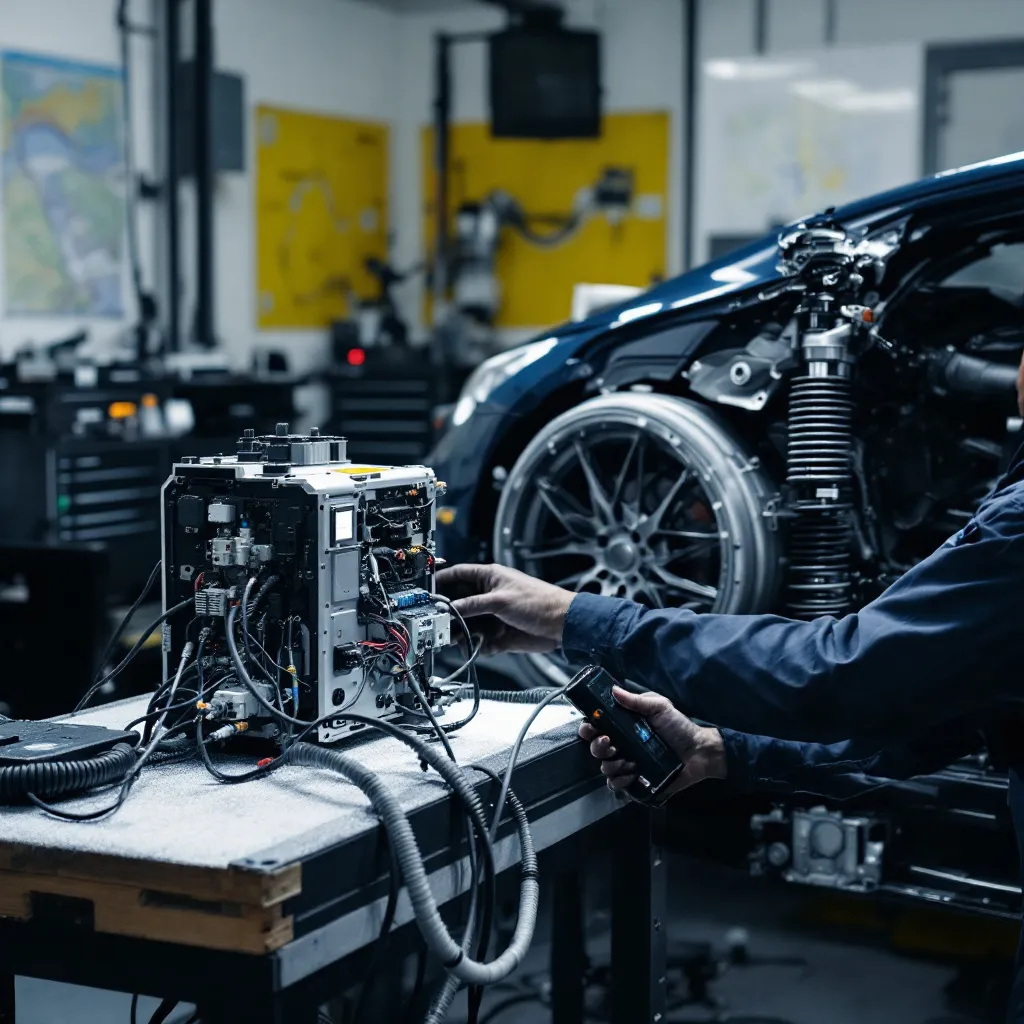
As a local technician who’s worked on everything from classic W123s to the latest S-Class, I know how particular Mercedes owners in Thousand Oaks can be. When you need reliable service, finding the right mercedes-benz mechanic makes all the difference. In this article I’ll walk you through the common problems I see, practical maintenance tips, and answers to the questions I hear most from our neighbors here in Ventura County.
Why Mercedes-Benz ownership in Thousand Oaks demands experienced care
Mercedes engineering blends performance and complexity, and that combination means routine wear can hide beneath sophisticated systems. Living in Thousand Oaks, we deal with coastal air, heat, and stop-and-go suburban driving — all of which affect suspension components, electronics, and cooling systems. A trusted technician who understands Mercedes-specific service procedures and uses factory-level diagnostics will spot problems early and preserve the car’s longevity. That local knowledge matters: it’s not just about parts and tools, but knowing how our climate and driving patterns influence repairs.
Common mechanical issues I diagnose frequently
One of the most frequent calls I get involves electrical gremlins. Mercedes models pack a lot of electronics, and intermittent faults—faulty sensors, corroded connectors, or failing control modules—can trigger a cascade of warnings. Transmission concerns are also common, especially in higher-mileage cars where fluid condition and mechatronic units need attention. Air suspension faults, often indicated by a sagging stance or a ride-height warning, are particularly common on E-Class and S-Class vehicles. Oil leaks around valve cover gaskets, camshaft seals, and oil cooler lines show up regularly, too, and left unchecked they can lead to overheating or catalytic converter damage.
Steering and suspension wear is another issue I see in Thousand Oaks. Worn control-arm bushings, ball joints, and tie rods cause uneven tire wear and vague steering feel. Add California’s occasional rough road patches and you’ll understand why alignment and suspension checks are part of every inspection. Brake system concerns—from worn pads to sensor-driven warnings—require careful diagnostics because Mercedes anti-lock and stability systems depend on accurate inputs. When customers bring their cars here, I always emphasize a thorough diagnostic approach rather than guesswork.
For customers who prefer a clear explanation before any work begins, I encourage communication and transparency. When people ask where to go, I often direct them to trusted pages or colleagues, but for hands-on repairs and personalized care, choosing an experienced local mercedes-benz mechanic ensures the job is done right, with the right parts and software calibrations.
Maintenance habits that prevent bigger repairs
Regular maintenance is the best defense. Follow the manufacturer’s service intervals for oil, transmission fluid, and brake inspections, and use quality fluids and filters suited to Mercedes specifications. Keep an eye on any early warning lights and bring the car in for diagnosis before a small issue becomes a costly repair. Seasonal checks of the cooling system, belts, and hoses help prevent summer overheating, and periodic battery and charging system tests reduce the chance of being stranded by an electrical failure. Above all, choose service providers who document findings and explain why a repair is recommended.
How modern diagnostics change the repair process
Today’s Mercedes vehicles rely on complex software and networked modules, so accurate diagnosis requires OEM-level scanners and factory data. A misinterpreted fault code can lead to unnecessary parts replacement; conversely, a technician who can read freeze-frame data and perform targeted tests will save time and prevent repeat visits. For many of my clients, understanding the diagnostic path—what codes were present, what live data showed, and which tests were run—builds trust and ensures the repair addresses the root cause rather than a symptom.
FAQ
How often should I service my Mercedes-Benz?
Service intervals vary by model and year, but a general rule is every 5,000–10,000 miles for oil and filter changes depending on usage and oil type, with major inspections at the manufacturer-recommended intervals. Consult your owner’s manual and talk to a local technician for a tailored schedule.
What should I do if my air suspension warning appears?
If your car shows an air suspension alert or the ride height drops, bring it in promptly. Air springs, compressors, and level sensors are the usual suspects, and diagnosing them quickly prevents damage to other suspension components.
Can I use aftermarket parts on my Mercedes?
Aftermarket parts can be appropriate for some items, but critical systems—like transmission components, electronic modules, and certain safety parts—are best replaced with OEM or high-quality equivalents that meet Mercedes specifications. A knowledgeable technician can recommend the right parts for your needs.
Final thoughts and local support
If you own a Mercedes in Thousand Oaks and want dependable care from someone who understands these cars and our local driving conditions, reach out to an experienced mercedes-benz mechanic who provides clear diagnostics and careful repairs. We prioritize communication, factory-level diagnostics, and long-term value for every vehicle that comes through the garage door. Bring your questions, and we’ll walk you through the best approach to keep your Mercedes performing smoothly for years to come.
Auto Precision Repair
3121 E Thousand Oaks Blvd #4, Thousand Oaks, CA 91362, United States
Phone: +1 (805) 379-9900