As someone who has worked on Benzes around Thousand Oaks for years, I know how particular these cars can be. Whether you drive a sleek C-Class or a seasoned E-Class, finding reliable mercedes-benz repair early can save you time and stress down the road. In this article I’ll walk you through the maintenance habits that matter, how to spot warning signs specific to Mercedes systems, and what to expect when you bring your vehicle into a local shop that understands these precision machines.
mercedes-benz repair Essentials for Thousand Oaks Drivers
Mercedes vehicles are engineered with a focus on performance, safety, and comfort, which means their systems are both advanced and interdependent. Routine inspections should include checks of suspension components, brake system health, and electronics, because a small electrical fault can present like a mechanical issue. Paying attention to fluid types and change intervals matters more than many owners expect; Mercedes models often require specific oil grades and transmission fluids, and using the wrong fluid can affect longevity. I recommend keeping a detailed log of services and any dashboard messages, so patterns become clear when we troubleshoot.
Common Issues and How to Recognize Them
In Thousand Oaks, our driving conditions — from freeway commuting to winding residential streets — reveal a few recurring problems sooner than others. Air suspension faults, intermittent warning lights, and aging ignition components are frequent on higher-mileage models. When you feel a harsh ride or notice the car sagging on one side, it’s often the air springs or a failing compressor, and catching it early prevents more expensive repairs. Likewise, a persistent check-engine light combined with poor fuel economy usually points toward sensor or fuel system concerns rather than major engine failure.
Diagnostics: The Right Tools and the Right Approach
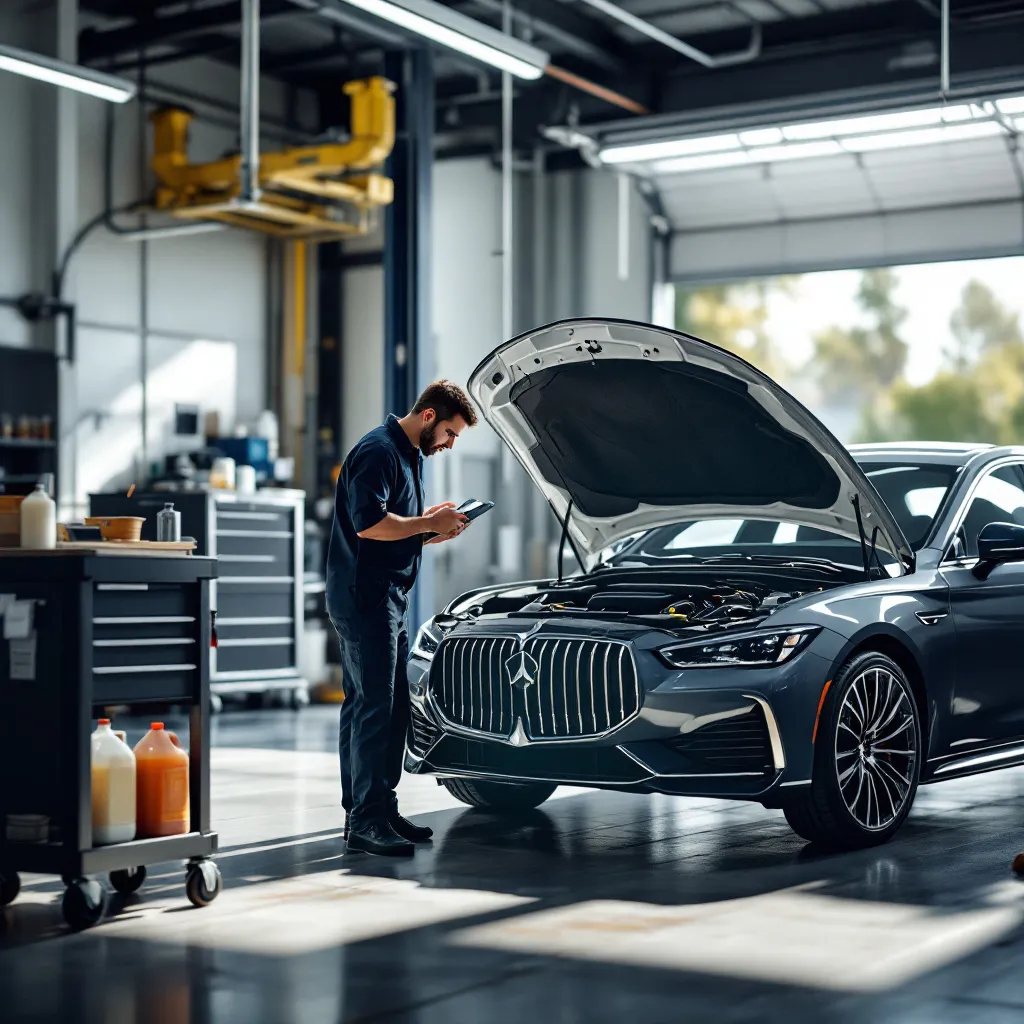
Successful mercedes-benz repair relies on accurate diagnostics. Modern Benzes communicate with specialized diagnostic tools that read manufacturer-specific fault codes and live data. A visual inspection alone rarely tells the whole story. Technicians should scan for codes, test components under load, and verify software levels. Software updates and module programming are sometimes part of a proper repair, particularly when new features or recalls are addressed by the factory. Trustworthy shops will explain their diagnostic approach and walk you through recommendations instead of proposing parts swaps without data.
Maintenance Habits That Extend Vehicle Life
Preventive care makes a huge difference. Simple habits like timely fluid changes, regular brake inspections, and attention to wheel alignment preserve both performance and safety. Tires in Thousand Oaks face varied pavement conditions, and uneven wear can stress suspension parts and lead to alignment problems. Using OEM or high-quality replacement parts matters; Mercedes engineers match components to complex systems, and generic parts sometimes compromise long-term reliability. When in doubt, consult a technician familiar with Mercedes engineering philosophies.
When to Bring It to a Specialist
Some repairs are best handled by technicians who work on Mercedes vehicles every day. If a problem involves the ABS, air suspension, dual-clutch transmission, or advanced driver assistance systems, specialized knowledge makes troubleshooting faster and more reliable. If you want a practical local starting point, our shop pages on mercedes-benz repair describe common services and diagnostic steps I find useful when evaluating a vehicle’s needs. Bringing your car in with a clear description of symptoms and a service history helps us pinpoint issues efficiently and get you back on the road with confidence.
Tips for Communicating with Your Technician
Clear communication speeds up repairs. Describe precisely when a sound occurs, what conditions trigger a warning light, and any recent maintenance you’ve had elsewhere. Photographs or short videos of noises or dashboard displays can be incredibly helpful. Ask the technician to show you the diagnostic codes and explain the options; a good shop will outline immediate fixes, potential follow-ups, and any signs to watch for between visits. That transparency builds trust and helps you make informed decisions about your vehicle.
FAQ
Q: How often should I service my Mercedes?
A: Follow the manufacturer’s recommendations in your owner’s manual and adapt for local driving conditions. More frequent inspections are wise if you drive in stop-and-go traffic or on rough roads.
Q: Can non-Mercedes shops handle complex repairs?
A: Many independent shops are excellent, but for complex electrical or transmission work, choose a technician experienced with Mercedes systems and proper diagnostic equipment.
Q: Are aftermarket parts OK?
A: Quality aftermarket parts can be acceptable for some repairs, but OEM or high-quality equivalents are recommended for critical systems to maintain performance and vehicle lifespan.
If you want a local team that understands how Mercedes vehicles behave on Thousand Oaks roads, bring your car in for a thorough evaluation. For tailored advice and dependable results, schedule a visit focused on long-term reliability and safety: we handle diagnostics, preventive maintenance, and thoughtful repairs using an owner-first approach. Whether it’s a routine inspection or more involved mercedes-benz repair, our goal is to keep your Benz performing like it should.
Auto Precision Repair
3121 E Thousand Oaks Blvd #4, Thousand Oaks, CA 91362, United States
Phone: +1 (805) 379-9900