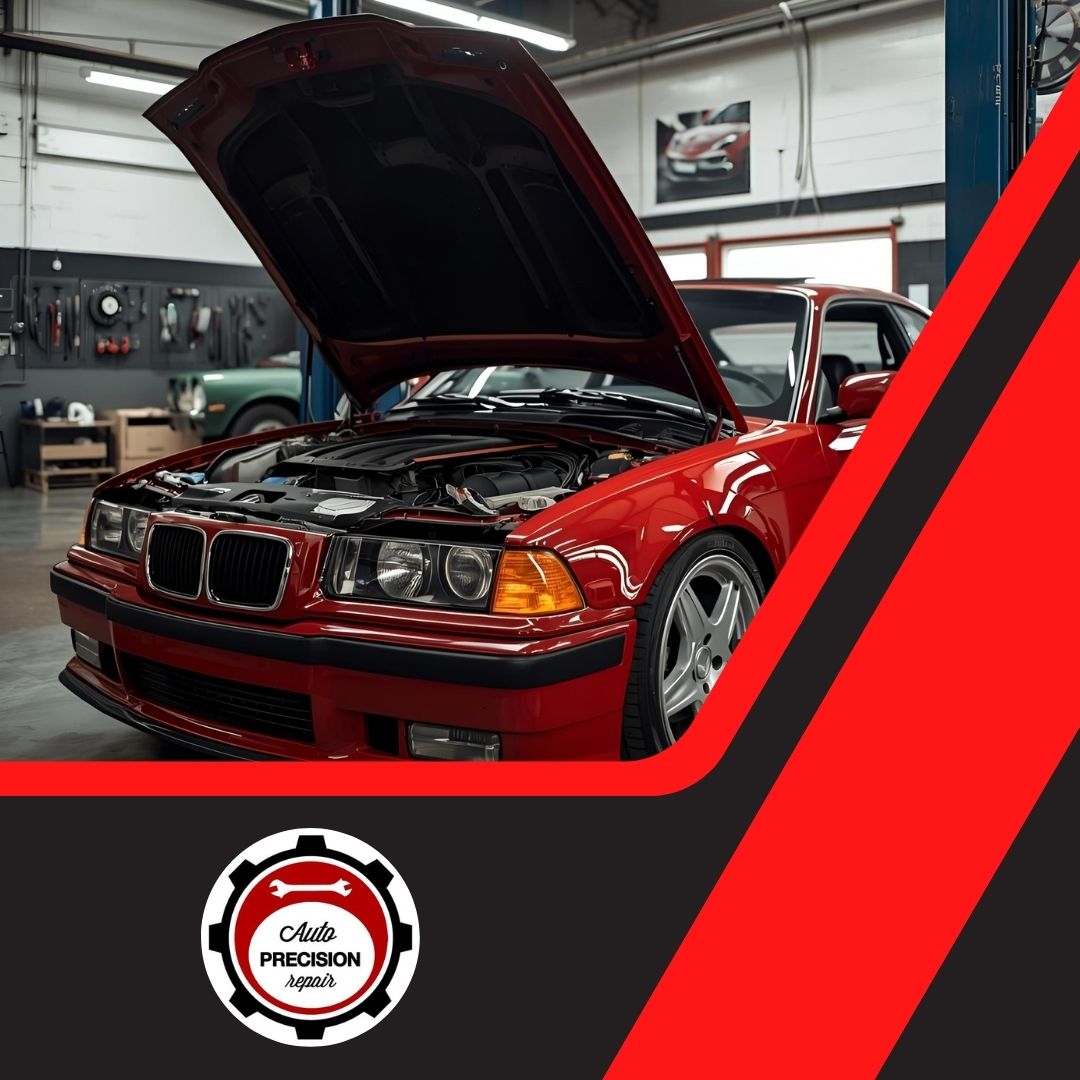
When you drive a German-engineered vehicle — whether it’s a BMW, Mercedes-Benz, Audi, Porsche, or Volkswagen — you’re not just driving a car; you’re driving a masterpiece of precision, innovation, and performance. These vehicles are built with exceptional attention to detail, blending advanced technology with superior craftsmanship. However, even the best engineering in the world can’t protect your car from the effects of time, wear, and neglect. That’s why regular German auto repair maintenance is essential for keeping your vehicle reliable, efficient, and performing at its best.
The Importance of Routine Maintenance for German Vehicles
German cars are known for their precision, but that precision also makes them highly sensitive to irregular maintenance. These vehicles rely on complex systems — from turbocharged engines to sophisticated electronic controls — that require expert care.
Routine German auto repair maintenance is not just about fixing problems when they occur; it’s about preventing them before they happen. Regular check-ups ensure that all systems work together seamlessly, reducing the risk of sudden breakdowns or costly repairs.
According to a study by the Automotive Maintenance and Repair Association (AMRA), vehicles that receive consistent maintenance experience 50% fewer breakdowns than those that don’t. For German vehicles, which often feature high-performance engines and intricate components, this preventive approach is even more crucial.
Key Areas of Focus in German Auto Repair Maintenance
To keep your German car in top shape, it’s important to pay attention to specific systems that commonly require maintenance or inspection.
1. Engine and Oil Changes
High-performance engines need regular oil changes using manufacturer-approved synthetic oils. These oils are designed to handle higher temperatures and pressures typical of German engines. Skipping or delaying an oil change can lead to sludge buildup, reduced lubrication, and potential engine damage.
Most experts recommend changing the oil every 5,000 to 7,500 miles, but you should always follow your manufacturer’s guidelines. Regular oil analysis during German auto repair visits also helps detect early signs of wear or contamination.
2. Braking System
German vehicles are equipped with advanced braking systems that deliver precise stopping power. However, components like brake pads, rotors, and sensors wear over time. Squealing noises, vibrations, or longer stopping distances are signs that you need a brake inspection.
Routine brake maintenance ensures safety and protects expensive parts from unnecessary wear.
3. Suspension and Steering
Luxury German cars are known for their smooth, controlled rides — thanks to complex suspension systems. Worn shocks, struts, or control arms can impact handling and comfort. During a German auto repair check-up, technicians inspect suspension components for wear and replace them as needed to maintain stability and precision.
4. Electrical and Diagnostic Systems
Modern German vehicles come loaded with electronic features — from driver-assistance systems to performance management computers. These systems rely on sensors and software that must be properly calibrated. Certified technicians use manufacturer-specific diagnostic tools to identify issues early, preventing electrical malfunctions or warning light errors.
5. Transmission and Cooling System
The transmission fluid and coolant are often overlooked but vital to your vehicle’s performance. Old fluid can cause overheating, slipping gears, and poor fuel efficiency. Regular fluid flushes during German auto repair maintenance help preserve transmission life and ensure smooth gear shifts.
Why Choose a Certified German Auto Repair Specialist?
Not all mechanics are equipped to handle German cars. These vehicles require specialized training, diagnostic software, and tools that general repair shops may not have. Certified German auto repair specialists are trained to understand the nuances of each brand and follow factory-recommended service procedures.
For instance, BMW and Audi use proprietary computer systems that can only be accessed with brand-specific diagnostic scanners. A certified shop ensures accuracy, prevents unnecessary part replacements, and maintains your vehicle’s factory warranty.
The Long-Term Benefits of Preventive Maintenance
Consistent maintenance not only prevents breakdowns but also saves money in the long run. Replacing worn-out filters, fluids, and small parts regularly is far cheaper than repairing or replacing major components later.
Moreover, a well-maintained German car retains higher resale value. Buyers are more confident purchasing vehicles with a documented service history — especially when serviced at reputable German auto repair centers.
Regular maintenance also enhances safety, fuel efficiency, and performance — allowing you to enjoy the exceptional driving experience that German automakers are known for.
Precision Care for Precision Engineering
Owning a German vehicle is a privilege — and with that privilege comes responsibility. Regular German auto repair maintenance is the key to protecting your investment, preventing breakdowns, and ensuring your car performs as flawlessly as the day it left the factory.
Don’t wait for warning lights or strange noises to appear. Schedule your next maintenance appointment with a certified German auto repair specialist and experience the peace of mind that comes from knowing your vehicle is receiving expert care. With proper attention, your German-engineered car will deliver the smooth, powerful, and reliable drive it was designed to provide — mile after mile.
The Power of Digital Marketing in Modern Business
In today’s fast-paced world, digital marketing has become a vital tool for businesses of all sizes. Unlike traditional marketing, digital strategies allow brands to connect with their audience in real-time, measure results instantly, and adjust campaigns for better performance. From social media advertising to search engine optimization (SEO), businesses now have endless ways to promote their products and services online.
One key advantage of digital marketing is its cost-effectiveness. Even small businesses can reach thousands of potential customers without spending a fortune. With tools like Google Ads, Facebook campaigns, and email marketing, companies can target specific audiences based on interests, location, and behavior. This precision helps maximize return on investment.
Moreover, digital marketing encourages interaction and engagement. Customers can comment, share, and provide feedback directly, creating valuable two-way communication. This not only builds trust but also strengthens brand loyalty.
In conclusion, digital marketing isn’t just a trend—it’s essential for staying competitive. Companies that invest in smart, data-driven strategies are more likely to succeed in today’s digital-first landscape. So, whether you’re a startup or an established brand, embracing digital marketing can open doors to growth and innovation.
The Power of Digital Marketing in Modern Business
In today’s fast-paced world, digital marketing has become a vital tool for businesses of all sizes. Unlike traditional marketing, digital strategies allow brands to connect with their audience in real-time, measure results instantly, and adjust campaigns for better performance. From social media advertising to search engine optimization (SEO), businesses now have endless ways to promote their products and services online.
One key advantage of digital marketing is its cost-effectiveness. Even small businesses can reach thousands of potential customers without spending a fortune. With tools like Google Ads, Facebook campaigns, and email marketing, companies can target specific audiences based on interests, location, and behavior. This precision helps maximize return on investment.
Moreover, digital marketing encourages interaction and engagement. Customers can comment, share, and provide feedback directly, creating valuable two-way communication. This not only builds trust but also strengthens brand loyalty.
In conclusion, digital marketing isn’t just a trend—it’s essential for staying competitive. Companies that invest in smart, data-driven strategies are more likely to succeed in today’s digital-first landscape. So, whether you’re a startup or an established brand, embracing digital marketing can open doors to growth and innovation.
The Power of Digital Marketing in Modern Business
In today’s fast-paced world, digital marketing has become a vital tool for businesses of all sizes. Unlike traditional marketing, digital strategies allow brands to connect with their audience in real-time, measure results instantly, and adjust campaigns for better performance. From social media advertising to search engine optimization (SEO), businesses now have endless ways to promote their products and services online.
One key advantage of digital marketing is its cost-effectiveness. Even small businesses can reach thousands of potential customers without spending a fortune. With tools like Google Ads, Facebook campaigns, and email marketing, companies can target specific audiences based on interests, location, and behavior. This precision helps maximize return on investment.
Moreover, digital marketing encourages interaction and engagement. Customers can comment, share, and provide feedback directly, creating valuable two-way communication. This not only builds trust but also strengthens brand loyalty.
In conclusion, digital marketing isn’t just a trend—it’s essential for staying competitive. Companies that invest in smart, data-driven strategies are more likely to succeed in today’s digital-first landscape. So, whether you’re a startup or an established brand, embracing digital marketing can open doors to growth and innovation.
The Power of Digital Marketing in Modern Business
In today’s fast-paced world, digital marketing has become a vital tool for businesses of all sizes. Unlike traditional marketing, digital strategies allow brands to connect with their audience in real-time, measure results instantly, and adjust campaigns for better performance. From social media advertising to search engine optimization (SEO), businesses now have endless ways to promote their products and services online.
One key advantage of digital marketing is its cost-effectiveness. Even small businesses can reach thousands of potential customers without spending a fortune. With tools like Google Ads, Facebook campaigns, and email marketing, companies can target specific audiences based on interests, location, and behavior. This precision helps maximize return on investment.
Moreover, digital marketing encourages interaction and engagement. Customers can comment, share, and provide feedback directly, creating valuable two-way communication. This not only builds trust but also strengthens brand loyalty.
In conclusion, digital marketing isn’t just a trend—it’s essential for staying competitive. Companies that invest in smart, data-driven strategies are more likely to succeed in today’s digital-first landscape. So, whether you’re a startup or an established brand, embracing digital marketing can open doors to growth and innovation.
The Power of Digital Marketing in Modern Business
In today’s fast-paced world, digital marketing has become a vital tool for businesses of all sizes. Unlike traditional marketing, digital strategies allow brands to connect with their audience in real-time, measure results instantly, and adjust campaigns for better performance. From social media advertising to search engine optimization (SEO), businesses now have endless ways to promote their products and services online.
One key advantage of digital marketing is its cost-effectiveness. Even small businesses can reach thousands of potential customers without spending a fortune. With tools like Google Ads, Facebook campaigns, and email marketing, companies can target specific audiences based on interests, location, and behavior. This precision helps maximize return on investment.
Moreover, digital marketing encourages interaction and engagement. Customers can comment, share, and provide feedback directly, creating valuable two-way communication. This not only builds trust but also strengthens brand loyalty.
In conclusion, digital marketing isn’t just a trend—it’s essential for staying competitive. Companies that invest in smart, data-driven strategies are more likely to succeed in today’s digital-first landscape. So, whether you’re a startup or an established brand, embracing digital marketing can open doors to growth and innovation.
The Power of Digital Marketing in Modern Business
In today’s fast-paced world, digital marketing has become a vital tool for businesses of all sizes. Unlike traditional marketing, digital strategies allow brands to connect with their audience in real-time, measure results instantly, and adjust campaigns for better performance. From social media advertising to search engine optimization (SEO), businesses now have endless ways to promote their products and services online.
One key advantage of digital marketing is its cost-effectiveness. Even small businesses can reach thousands of potential customers without spending a fortune. With tools like Google Ads, Facebook campaigns, and email marketing, companies can target specific audiences based on interests, location, and behavior. This precision helps maximize return on investment.
Moreover, digital marketing encourages interaction and engagement. Customers can comment, share, and provide feedback directly, creating valuable two-way communication. This not only builds trust but also strengthens brand loyalty.
In conclusion, digital marketing isn’t just a trend—it’s essential for staying competitive. Companies that invest in smart, data-driven strategies are more likely to succeed in today’s digital-first landscape. So, whether you’re a startup or an established brand, embracing digital marketing can open doors to growth and innovation.
The Power of Digital Marketing in Modern Business
In today’s fast-paced world, digital marketing has become a vital tool for businesses of all sizes. Unlike traditional marketing, digital strategies allow brands to connect with their audience in real-time, measure results instantly, and adjust campaigns for better performance. From social media advertising to search engine optimization (SEO), businesses now have endless ways to promote their products and services online.
One key advantage of digital marketing is its cost-effectiveness. Even small businesses can reach thousands of potential customers without spending a fortune. With tools like Google Ads, Facebook campaigns, and email marketing, companies can target specific audiences based on interests, location, and behavior. This precision helps maximize return on investment.
Moreover, digital marketing encourages interaction and engagement. Customers can comment, share, and provide feedback directly, creating valuable two-way communication. This not only builds trust but also strengthens brand loyalty.
In conclusion, digital marketing isn’t just a trend—it’s essential for staying competitive. Companies that invest in smart, data-driven strategies are more likely to succeed in today’s digital-first landscape. So, whether you’re a startup or an established brand, embracing digital marketing can open doors to growth and innovation.
The Power of Digital Marketing in Modern Business
In today’s fast-paced world, digital marketing has become a vital tool for businesses of all sizes. Unlike traditional marketing, digital strategies allow brands to connect with their audience in real-time, measure results instantly, and adjust campaigns for better performance. From social media advertising to search engine optimization (SEO), businesses now have endless ways to promote their products and services online.
One key advantage of digital marketing is its cost-effectiveness. Even small businesses can reach thousands of potential customers without spending a fortune. With tools like Google Ads, Facebook campaigns, and email marketing, companies can target specific audiences based on interests, location, and behavior. This precision helps maximize return on investment.
Moreover, digital marketing encourages interaction and engagement. Customers can comment, share, and provide feedback directly, creating valuable two-way communication. This not only builds trust but also strengthens brand loyalty.
In conclusion, digital marketing isn’t just a trend—it’s essential for staying competitive. Companies that invest in smart, data-driven strategies are more likely to succeed in today’s digital-first landscape. So, whether you’re a startup or an established brand, embracing digital marketing can open doors to growth and innovation.
The Power of Digital Marketing in Modern Business
In today’s fast-paced world, digital marketing has become a vital tool for businesses of all sizes. Unlike traditional marketing, digital strategies allow brands to connect with their audience in real-time, measure results instantly, and adjust campaigns for better performance. From social media advertising to search engine optimization (SEO), businesses now have endless ways to promote their products and services online.
One key advantage of digital marketing is its cost-effectiveness. Even small businesses can reach thousands of potential customers without spending a fortune. With tools like Google Ads, Facebook campaigns, and email marketing, companies can target specific audiences based on interests, location, and behavior. This precision helps maximize return on investment.
Moreover, digital marketing encourages interaction and engagement. Customers can comment, share, and provide feedback directly, creating valuable two-way communication. This not only builds trust but also strengthens brand loyalty.
In conclusion, digital marketing isn’t just a trend—it’s essential for staying competitive. Companies that invest in smart, data-driven strategies are more likely to succeed in today’s digital-first landscape. So, whether you’re a startup or an established brand, embracing digital marketing can open doors to growth and innovation.
The Power of Digital Marketing in Modern Business
In today’s fast-paced world, digital marketing has become a vital tool for businesses of all sizes. Unlike traditional marketing, digital strategies allow brands to connect with their audience in real-time, measure results instantly, and adjust campaigns for better performance. From social media advertising to search engine optimization (SEO), businesses now have endless ways to promote their products and services online.
Moreover, digital marketing encourages interaction and engagement. Customers can comment, share, and provide feedback directly, creating valuable two-way communication. This not only builds trust but also strengthens brand loyalty.
In conclusion, digital marketing isn’t just a trend—it’s essential for staying competitive. Companies that invest in smart, data-driven strategies are more likely to succeed in today’s digital-first landscape. So, whether you’re a startup or an established brand, embracing digital marketing can open doors to growth and innovation.
Mercedes Benz repair Mercedes Benz repair Mercedes Benz repair Mercedes Benz repair Mercedes Benz repair Mercedes Benz repair Mercedes Benz repair Mercedes Benz repair Mercedes Benz repair Mercedes Benz repair Mercedes Benz repair Mercedes Benz repair Mercedes Benz repair Mercedes Benz repair Mercedes Benz repair Mercedes Benz repair Mercedes Benz repair Mercedes Benz repair Mercedes Benz repair Mercedes Benz repair Mercedes Benz repair Mercedes Benz repair Mercedes Benz repair Mercedes Benz repair
German auto repair German auto repair German auto repair German auto repair German auto repair German auto repair German auto repair German auto repair German auto repair German auto repair German auto repair German auto repair German auto repair German auto repair German auto repair German auto repair German auto repair German auto repair German auto repair German auto repair German auto repair German auto repair German auto repair German auto repair German auto repair German auto repair German auto repair German auto repair German auto repair German auto repair German auto repair German auto repair
Mercedes Benz mechanic Mercedes Benz mechanic Mercedes Benz mechanic Mercedes Benz mechanic Mercedes Benz mechanic Mercedes Benz mechanic Mercedes Benz mechanic Mercedes Benz mechanic Mercedes Benz mechanic Mercedes Benz mechanic Mercedes Benz mechanic Mercedes Benz mechanic Mercedes Benz mechanic Mercedes Benz mechanic Mercedes Benz mechanic
Mercedes Benz mechanic Mercedes Benz mechanic
Auto repair Auto repair Auto repair Auto repair Auto repair Auto repair Auto repair Auto repairAuto repair Auto repair Auto repair Auto repair Auto repair Auto repair Auto repair Auto repair Auto repair Auto repair Auto repairAuto repair Auto repair Auto repair Auto repair Auto repair Auto repair Auto repair Auto repair Auto repair Auto repair Auto repairAuto repair Auto repair Auto repair
Preventive maintenance Preventive maintenance Preventive maintenance Preventive maintenance Preventive maintenance Preventive maintenance Preventive maintenance Preventive maintenance Preventive maintenance Preventive maintenance Preventive maintenance Preventive maintenance Preventive maintenance Preventive maintenance Preventive maintenance Preventive maintenance Preventive maintenance
Vehicle inspection Vehicle inspection Vehicle inspection Vehicle inspection Vehicle inspection Vehicle inspection Vehicle inspection Vehicle inspection Vehicle inspection Vehicle inspection Vehicle inspection Vehicle inspection Vehicle inspection Vehicle inspection Vehicle inspection Vehicle inspection Vehicle inspection Vehicle inspection Vehicle inspection Vehicle inspection Vehicle inspection
Brake Repair Brake Repair Brake Repair Brake Repair Brake Repair Brake Repair Brake Repair Brake Repair Brake Repair Brake Repair Brake Repair Brake Repair Brake Repair Brake Repair Brake Repair Brake Repair Brake Repair Brake Repair Brake Repair Brake Repair Brake Repair Brake Repair Brake Repair Brake Repair Brake Repair Brake Repair Brake Repair Brake Repair Brake Repair
Oil change Oil change Oil change Oil change Oil change Oil change Oil change Oil change Oil change Oil change Oil change Oil change Oil change Oil change Oil change Oil change Oil change Oil change Oil change Oil change Oil change Oil change Oil change Oil change Oil change Oil change Oil change Oil change Oil change Oil change Oil change Oil change Oil change