
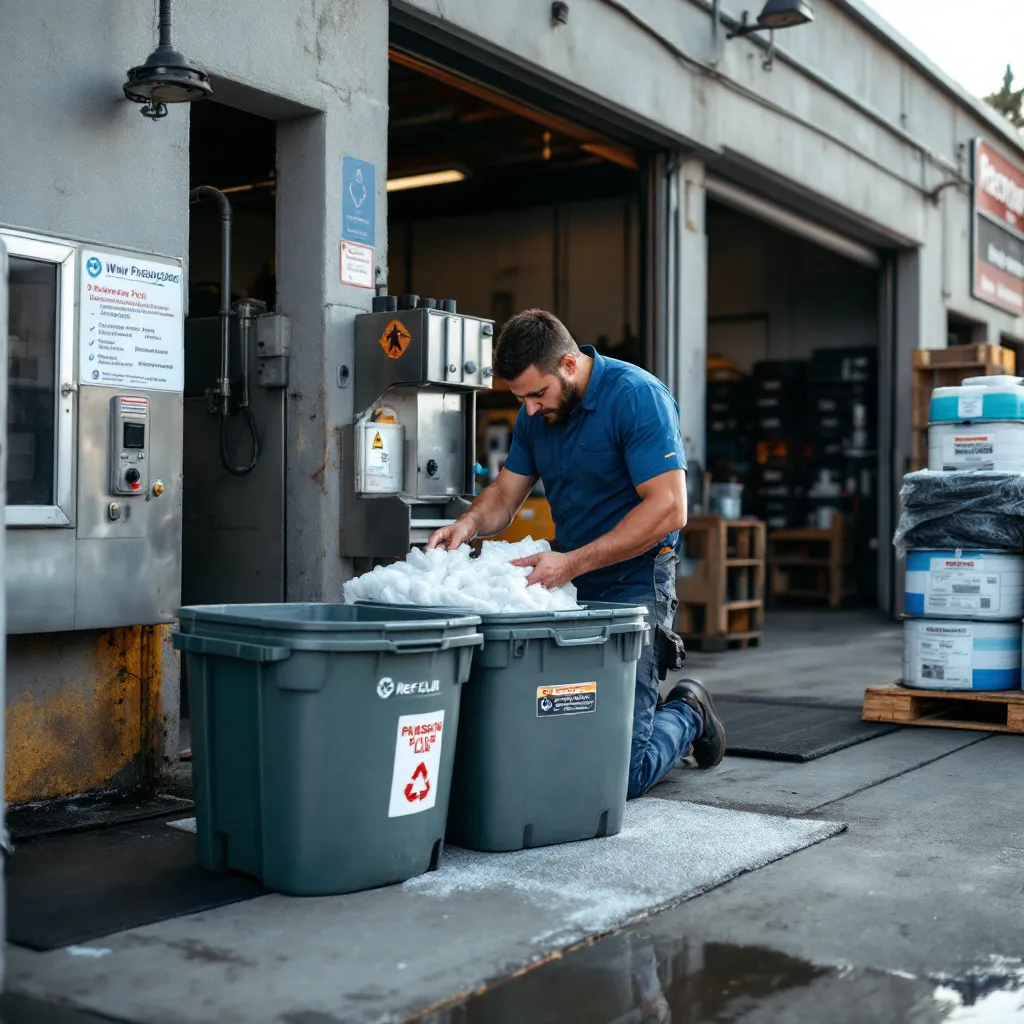
As a mechanic who’s worked on transmissions around Thousand Oaks for over a decade, I see first-hand how routine maintenance and repairs ripple beyond the driveway to affect our local air, soil and waterways. When customers ask about transmission repair, they’re usually thinking about drivability and longevity, but there’s also an environmental story that matters to every Ventura County resident.
transmission repair and its environmental footprint
Transmission systems contain fluids and metals that, if handled carelessly, can create contamination. Leaking seals can allow gear oil to drip onto streets and into storm drains, and discarded parts carry residues that must be managed. In Thousand Oaks’ Mediterranean climate, heavy rains are infrequent but intense; contaminants washed from garages or parking lots can concentrate quickly in local streams and drainage channels. California regulations aim to reduce these risks, but local shop practices ultimately determine how much impact a single repair has on our shared environment.
Common pollutants from transmission work
When a transmission is serviced, several waste streams require careful control: transmission fluid, solvent residues from cleaning, old seals and filters, and sometimes metal shavings from worn components. Transmission fluid itself contains additives that are toxic in sufficient quantities to aquatic life, and small spills repeated over time are what typically cause issues in urban runoff. The solvents used to clean parts can also evaporate, contributing to volatile organic compounds that affect air quality if not used with proper ventilation and capture systems.
How local shops in Thousand Oaks reduce impact
Good repair shops adopt simple, effective practices. They capture and recycle used fluid rather than letting it enter the sewer, contain and label waste containers, and use closed-loop cleaning systems that minimize solvent emissions. Technicians are trained to prevent leaks during disassembly and to transfer fluids carefully when replacing clutches, seals or the torque converter. Asking a shop about its waste handling procedures and certifications is a practical step you can take as an informed car owner.
Recycling, remanufacturing and parts reuse
Remanufactured transmissions and recycled components are an important part of the green equation. When rebuilt cores are processed properly, they conserve raw materials and reduce energy use compared to manufacturing new units. Finding a shop that offers remanufactured parts or carefully inspects and reuses serviceable components reduces the demand for new materials and keeps salvageable items out of landfills. In Thousand Oaks, several facilities coordinate with certified recyclers to ensure metal and fluid streams are diverted from the waste cycle.
What drivers can do to minimize environmental harm
Vehicle owners have a meaningful role. Promptly addressing leaks reduces cumulative contamination; choosing regular fluid checks and following manufacturer service intervals prevents severe failures that can produce larger spills. When scheduling an appointment, mention environmental concerns and ask the shop how they manage fluids and parts. A technician who explains their recycling and disposal methods demonstrates both professionalism and community responsibility.
Middle-of-article resource and guidance
For those who want an experienced local partner, seeking out reputable transmission repair providers that follow California’s hazardous waste rules is essential. A good shop will show you used fluid receipts, describe how they store contaminated materials, and explain whether they use remanufactured parts or manufacturer-approved rebuilds. These conversations often separate a quick fix from a repair that respects both your vehicle and the environment.
FAQ
Q: What makes transmission repair potentially harmful to the environment? A: The primary concerns are spilled or improperly disposed of transmission fluid, solvent emissions and discarded metal parts that contain residual fluids. When these materials are released into stormwater or landfill without mitigation, they can harm soil and aquatic ecosystems.
Q: How can I verify a shop is environmentally responsible? A: Ask about their fluid collection process, where used oil and transmission fluid go, whether they use certified recyclers, and if they have documentation like hazardous waste manifests. Shops that welcome these questions usually take compliance seriously.
Q: Are remanufactured transmissions a good environmental choice? A: Yes. Remanufacturing conserves materials and energy by reconditioning cores rather than producing entirely new casings and gears. The environmental benefit depends on proper remanufacturing standards and certified recycling of non-reusable elements.
Q: Does transmission flushing increase environmental risk? A: Flushing can dislodge contaminants and requires careful capture of old fluid. When done properly at a shop that recycles the waste, flushing can be safe; when done improperly, it can increase the chance of spills or improper disposal.
Take action for greener repairs
Choosing responsible service in Thousand Oaks means asking questions and selecting technicians who balance mechanical skill with environmental stewardship. If you’re ready to prioritize both performance and sustainability, contact a trusted local provider for a thorough consultation—whether you need diagnostics, routine service, or major transmission repair, insist on clear handling and recycling procedures and make the greener choice for your vehicle and neighborhood.
Auto Precision Repair
3121 E Thousand Oaks Blvd #4, Thousand Oaks, CA 91362, United States
Phone: +1 (805) 379-9900