As someone who’s spent years under hoods around Thousand Oaks, I know how reassuring it is to have a trusted auto mechanic walk you through an inspection. Whether you’re preparing for a smog check, buying a used car, or bringing in a family vehicle for routine care, understanding local inspection standards helps you ask the right questions and spot issues early. In this article I’ll explain the standards and practical expectations that matter most to drivers in Thousand Oaks, CA.
Inspection Standards Every auto mechanic in Thousand Oaks Should Know
California has specific rules for safety and emissions inspections, and a responsible shop will meet or exceed those baselines. For regular safety inspections, technicians look at structural components, lighting, steering and suspension function, braking performance, and obvious fluid leaks. For emissions and smog-related evaluations, the focus shifts to exhaust systems, onboard diagnostics, and catalytic converter health. A good local shop combines hands-on checks with clear documentation so you understand the condition of your vehicle and what repairs—if any—are recommended.
What technicians look for during a thorough inspection
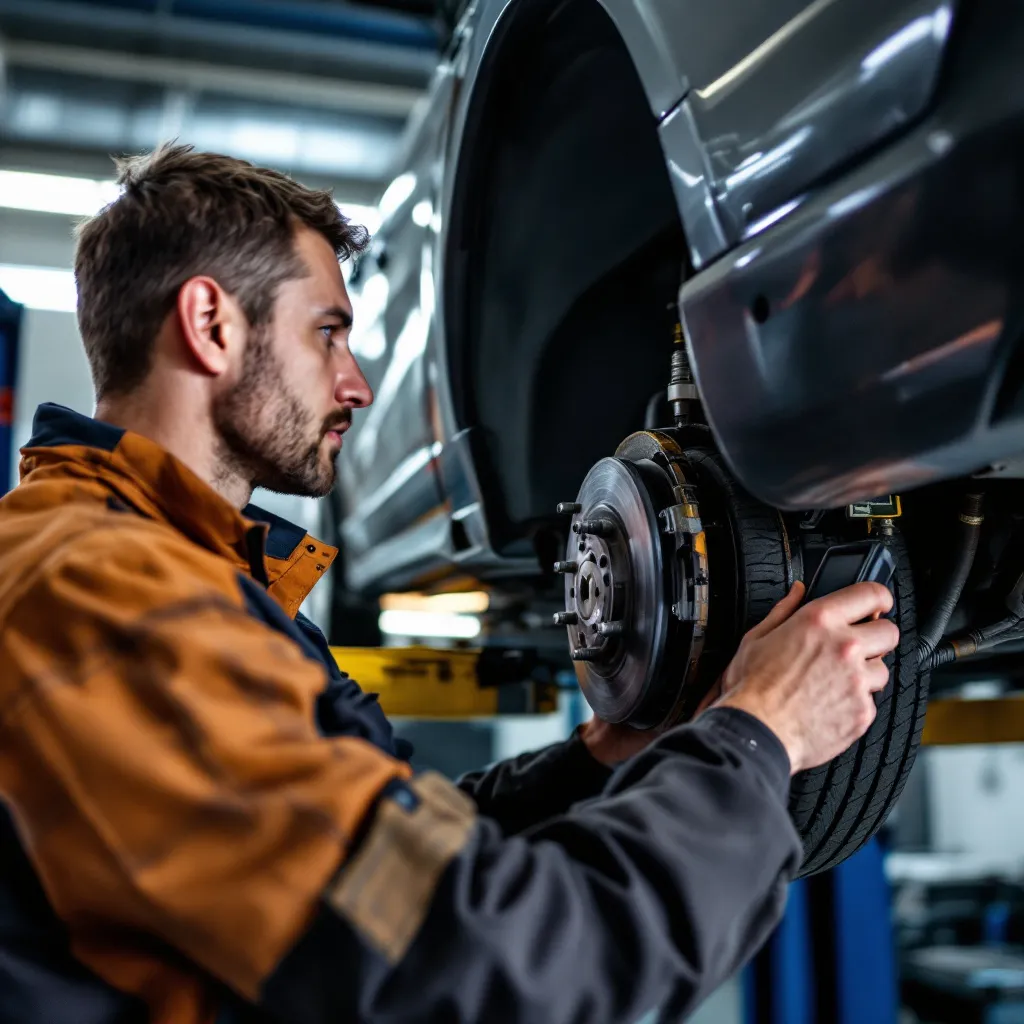
When I perform a comprehensive inspection, I start with the components that most impact safety. Brake pads and rotors, tire condition and pressure, wheel bearings, and suspension bushings are all assessed for wear. Electrical systems get tested for charging and lighting reliability, and the cooling system is inspected for leaks and proper thermostat function. Under the hood, belts and hoses, fluid levels, and visible signs of leakage or corrosion tell a big part of the story. Inspections should be methodical and explained in plain language so vehicle owners can make informed decisions.
Emissions, paperwork, and California compliance
Emissions testing in California has become more technology-driven with OBD-II diagnostics and stricter standards for certain vehicle classes. During an inspection relevant to emissions, a technician will read diagnostic trouble codes, check readiness monitors, and assess exhaust components that affect emissions output. Proper documentation is key: accurate records help when registering a vehicle or resolving a failed test. In Thousand Oaks our shops often work with customers to interpret smog results and to plan straightforward repairs that bring a vehicle back into compliance.
How to choose a trustworthy shop and what transparency looks like
Choosing the right place for an inspection is as much about communication as it is about technical skill. Look for a shop that welcomes you to see test results and explains what they find without jargon. Ask how they prioritize repairs—what must be addressed immediately for safety, what can wait, and what’s optional. I always encourage people to ask for a walk-through of the inspection findings; seeing photos or a short video of wear items helps build confidence. A shop that stands by its work will explain recommended next steps and provide written records you can keep with your vehicle.
Common inspection findings and realistic timelines for repair
Many inspections turn up predictable wear items: brake pads nearing end of life, tires with uneven wear from misalignment, or aging batteries that struggle in cold starts. Other times, seals or sensors fail and trigger diagnostic codes that look alarming but are quick fixes for an experienced technician. Where possible, a responsible shop will separate urgent repairs from maintenance that can be scheduled later. Being local, we understand the roads and climate of Thousand Oaks, so our timelines and recommendations are tuned to what we see most often here.
Customer rights, guarantees, and what to expect after an inspection
After an inspection, you should receive a clear report of findings and a recommended plan. Ask whether the shop offers any guarantee on diagnostic work or subsequent repairs. Reputable shops will stand behind their labor and provide follow-up if an issue reappears. If a vehicle fails a smog check, a good technician will review the test data with you and outline next steps rather than leaving you to interpret codes on your own.
Maintaining records and the value of regular inspections
Keeping inspection reports is one of the simplest ways to protect your investment. Regular inspections catch small issues before they become major repairs and can help maintain resale value by showing prospective buyers how well a vehicle has been cared for. In Thousand Oaks many drivers follow a seasonal approach—checking cooling systems and tires before summer, and inspecting heating and battery systems before winter—to match local driving conditions and preserve vehicle reliability.
Frequently Asked Questions
Q: How often should I bring my car in for a full inspection?
A: A full inspection once a year is a solid baseline for most drivers, with additional checks before long trips or if you notice unusual noises, smells, or dashboard warnings.
Q: Will an inspection catch every possible problem?
A: Inspections are designed to identify observable wear and common failure points. While thorough checks reduce surprises, some intermittent issues may only appear under specific conditions and could require diagnostic follow-up.
Q: Do inspections include emissions testing?
A: Emissions-related inspections and smog checks are a distinct process that often uses OBD-II readings and tailpipe testing where required. A comprehensive shop will explain the difference and perform the correct procedure for your situation.
Q: What should I bring to an inspection appointment?
A: Bring your registration and any recent service records. If you have a particular concern, note when it happens and under what conditions; that helps the technician recreate the issue if needed.
If you prefer a local shop that explains findings in clear language and treats you like a neighbor, call our team. For straightforward inspections and respectful service from technicians who know the roads of Thousand Oaks, seek out a shop that values transparency and follow-through. You can always begin the conversation with a certified auto mechanic who will explain the inspection process clearly and schedule the time you need.
Ready to schedule an inspection or want a second opinion before buying a used car? Contact our service team and ask for a detailed inspection that covers safety, emissions readiness, and documented recommendations from a local pro. A trusted auto mechanic in Thousand Oaks will give you confidence behind the wheel and clarity on the next steps.
Auto Precision Repair
3121 E Thousand Oaks Blvd #4, Thousand Oaks, CA 91362, United States
Phone: +1 (805) 379-9900